

Unleash the Power of Your Marine Engine with Premium Jack Plate Accessories
2024-08-16
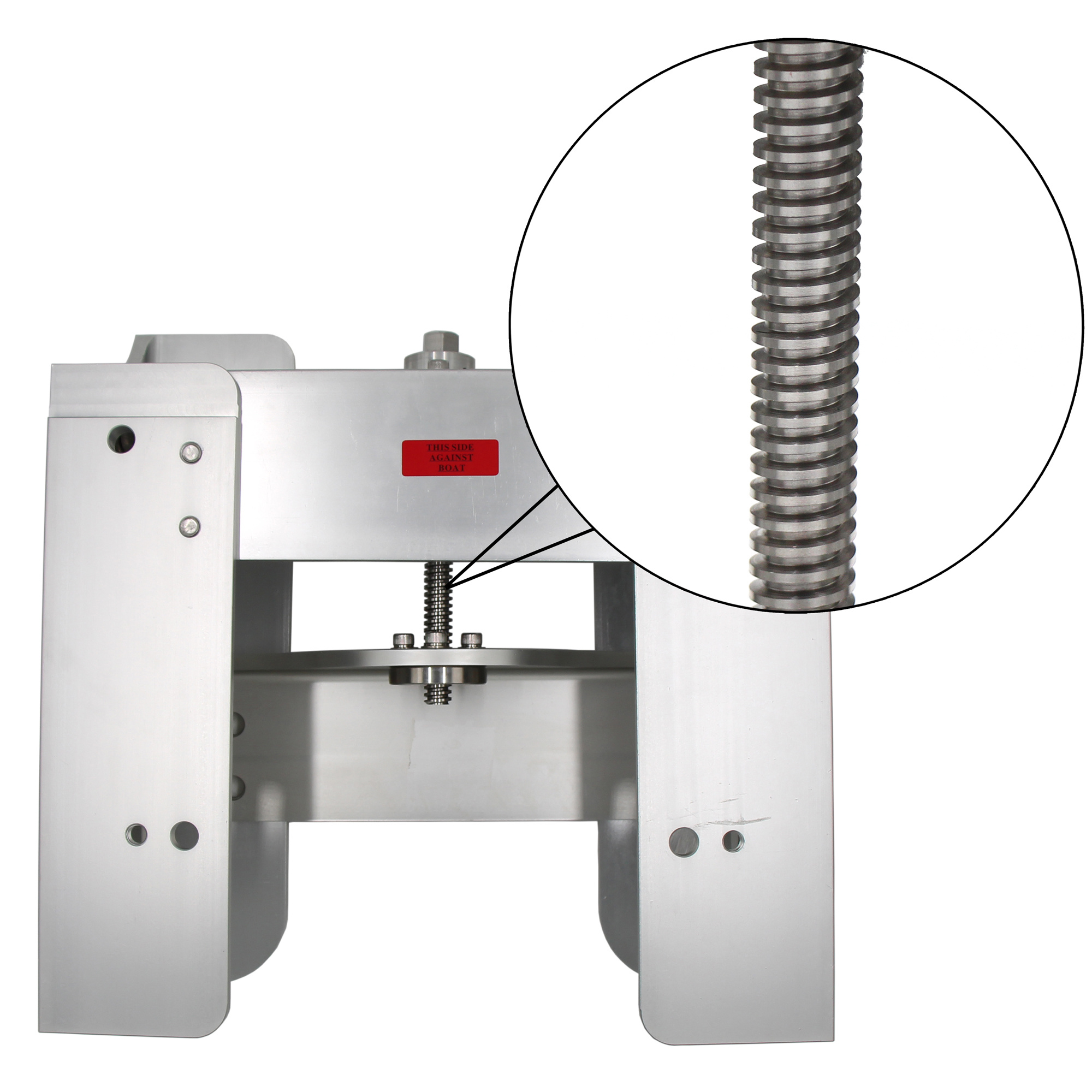
A jack plate is an adjustable bracket that connects your boat's outboard motor to the transom. This component allows you to change the height of the motor above the waterline, offering improved performance and versatility. By raising or lowering the motor, you can optimize the engine's thrust, manage drag, and enhance hull efficiency.
Benefits of Using Jack Plates
Jack plates come with multiple advantages that can significantly improve your boating experience. Here are some essential benefits:
1. Enhanced Performance
By adjusting the height of your marine engine, jack plates allow you to achieve the ideal running position. This optimization results in better speed, enhanced acceleration, and superior fuel efficiency, enabling you to get the most out of your vessel.
2. Improved Handling
A properly adjusted jack plate can improve your boat's handling characteristics. With better control over your engine's placement, you can navigate through choppy waters with greater ease and stability.
3. Increased Longevity of Your Engine
By reducing strain on your engine during operation, jack plates can help prolong the lifespan of your marine engine. This extension is particularly crucial for boats regularly facing rough waters or heavy loads.
4. Versatility in Various Water Conditions
Jack plates give boaters the ability to adjust their engine height based on varying water conditions. Whether you're navigating shallow waters or choppy seas, a jack plate enables you to adapt quickly and efficiently.
Different Types of Jack Plates
Choosing the right jack plate depends on several factors, including your boat type and intended use. Here are the most common types:
1. Manual Jack Plates
Manual jack plates require physical adjustment and are typically more budget-friendly. They are ideal for boaters who don’t mind making adjustments manually before each outing.
2. Hydraulic Jack Plates
Hydraulic jack plates offer effortless height adjustments at the push of a button. These are perfect for those who frequently change water conditions or need quick adjustments while underway.
3. Electric Jack Plates
Electric jack plates function similarly to hydraulic models but are powered by an electric motor. They combine convenience and efficiency, offering smooth operations with minimal effort.
4. Fixed Jack Plates
Fixed jack plates are non-adjustable and provide a set height. While they are typically more cost-effective, they lack the flexibility offered by other types.
Key Features to Consider When Choosing Jack Plates
When selecting the right jack plate for your marine engine, consider the following features:
1. Material Quality
Look for jack plates made from high-strength materials, such as aluminum or stainless steel, to ensure durability and resistance to corrosion.
2. Weight Capacity
Ensure the jack plate can support the weight of your engine. Check the manufacturer's specifications for weight limits to avoid any potential issues.
3. Range of Adjustability
Choose a jack plate that offers a sufficient range of height adjustments to accommodate various water conditions and boating styles.
4. Ease of Installation
Consider jack plates that come with clear installation instructions and all the necessary hardware for a straightforward setup.
5. Brand Reputation
Research reputable brands that specialize in marine accessories. Investing in a well-reviewed product can enhance your peace of mind and ensure quality performance.
Installation Tips for Jack Plates
Installing a jack plate can seem daunting, but following these tips can make the process smoother:
1. Gather Necessary Tools
Before starting, ensure you have all the required tools on hand, including wrenches, screwdrivers, and a level for accurate alignment.
2. Read Manufacturer Instructions
Always refer to the specific installation guide provided by the manufacturer, as different models may have unique requirements.
3. Seek Professional Assistance
If you're unsure about the installation process, consider hiring a professional marine technician to ensure proper setup and functionality.
4. Test for Proper Functionality
After installation, take your boat out for a test run to ensure the jack plate functions correctly and make any necessary adjustments.
Maintaining Your Jack Plate Accessories
Regular maintenance of your jack plate can prevent issues and prolong its lifespan. Here are some maintenance tips:
1. Routine Inspections
Regularly inspect your jack plate for signs of wear, corrosion, or damage. Early detection can save you time and money on repairs.
2. Lubrication
Keep moving parts well-lubricated to ensure smooth operation. Use marine-grade lubricants specifically designed for marine environments.
3. Cleaning
Regularly clean your jack plate to remove salt, dirt, and debris. This practice helps prevent corrosion and ensures optimal performance.
4. Store Properly
If you store your boat for an extended period, make sure to lift the engine and adjust the jack plate to a neutral position to avoid stress on the components.
Common Issues with Jack Plates and Solutions
Even with proper maintenance, issues can arise. Here are some common problems and potential solutions:
1. Jack Plate Won’t Adjust
If your jack plate isn’t adjusting correctly, check for hydraulic fluid leaks and ensure that all connections are secure.
2. Excessive Vibration
Vibration can indicate improper installation or misalignment. Double-check your setup and make any adjustments necessary for a stable operation.
3. Corrosion
Corrosion can weaken your jack plate over time. Regularly inspect and clean the components, and apply protective coatings as needed.
Jack Plate
RELEVANT INFORMATION


Understanding Transom Hydraulic Jack Plates: Enhancing Your Vessel's Performance
2026-01-10
The Benefits of Outboard Motor Hydraulic Jack Plates for Enhanced Boating Experience
2025-12-29

XIAMEN OLLWINNER INDUSTRY AND TRADE CO.,LTD
Our group is delicated to be a professional marine equipment supplier,consisting of R&D, purchase dept. ,QA&QC, production group, testing lab etc.
Contact Us
Room 3119, Building A, Mingnan Guzheng, Huli District, Xiamen, Fujian, China