

Essential Insights into Marine Outboard Engines: Maximizing Performance and Reliability
2024-08-13
Marine outboard engines are a pivotal component of modern boating and nautical activities. These engines are designed to be mounted on the transom of a boat and provide propulsion, steering, and control. Unlike inboard engines, outboard models are favored for their versatility, ease of use, and maintenance. They come in various sizes and power outputs, making them suitable for a wide range of wate
Marine outboard engines are a pivotal component of modern boating and nautical activities. These engines are designed to be mounted on the transom of a boat and provide propulsion, steering, and control. Unlike inboard engines, outboard models are favored for their versatility, ease of use, and maintenance. They come in various sizes and power outputs, making them suitable for a wide range of watercraft, from small fishing boats to larger recreational vessels.
One of the primary advantages of marine outboard engines is their portability. Since they are self-contained units that can be easily removed or mounted, they allow for greater flexibility in handling and storage. This feature is particularly beneficial for boat owners who may need to transport their engines or store them during off-seasons.
When considering a marine outboard engine, it's essential to understand the different types available. Two main categories exist: two-stroke and four-stroke engines. Two-stroke engines are generally lighter and provide higher power-to-weight ratios, making them ideal for smaller boats. However, they may be less fuel-efficient and produce more emissions. On the other hand, four-stroke engines are more fuel-efficient, quieter, and environmentally friendly but might be heavier and more complex, leading to higher maintenance needs.
Maintenance is crucial for the longevity and performance of marine outboard engines. Regular inspections, including checking the oil levels, fuel filters, and propellers, can help identify potential issues before they become significant problems. Seasonal maintenance is also vital, as engines exposed to moisture and marine elements can suffer from corrosion and wear. Implementing a consistent maintenance routine not only enhances engine performance but also ensures safety while out on the water.
Another factor to consider is the type of fuel used. Marine outboard engines typically run on gasoline, but it's essential to choose the right octane level and ensure the fuel is clean and free of contaminants. Using proper fuel enhances performance and efficiency, ensuring that the engine operates smoothly during outings.
In conclusion, understanding the various aspects of marine outboard engines is essential for professionals in the maritime sector. From their portability and types to the importance of maintenance and fuel quality, a solid grasp of these factors ensures optimal performance and reliability. By keeping these insights in mind, professionals can make informed decisions, contributing to a more efficient and enjoyable boating experience.
Marine Outboard Engine
RELEVANT INFORMATION


Understanding Transom Hydraulic Jack Plates: Enhancing Your Vessel's Performance
Transom hydraulic jack plates are essential components in the marine industry, particularly for enhancing the performance and maneuverability of boats. These devices are mounted on the transom, which is the rear part of the boat, and serve multiple functional purposes that can significantly improve your boating experience.
One of the primary benefits of a transom hydraulic jack plate is its abilit
2026-01-10
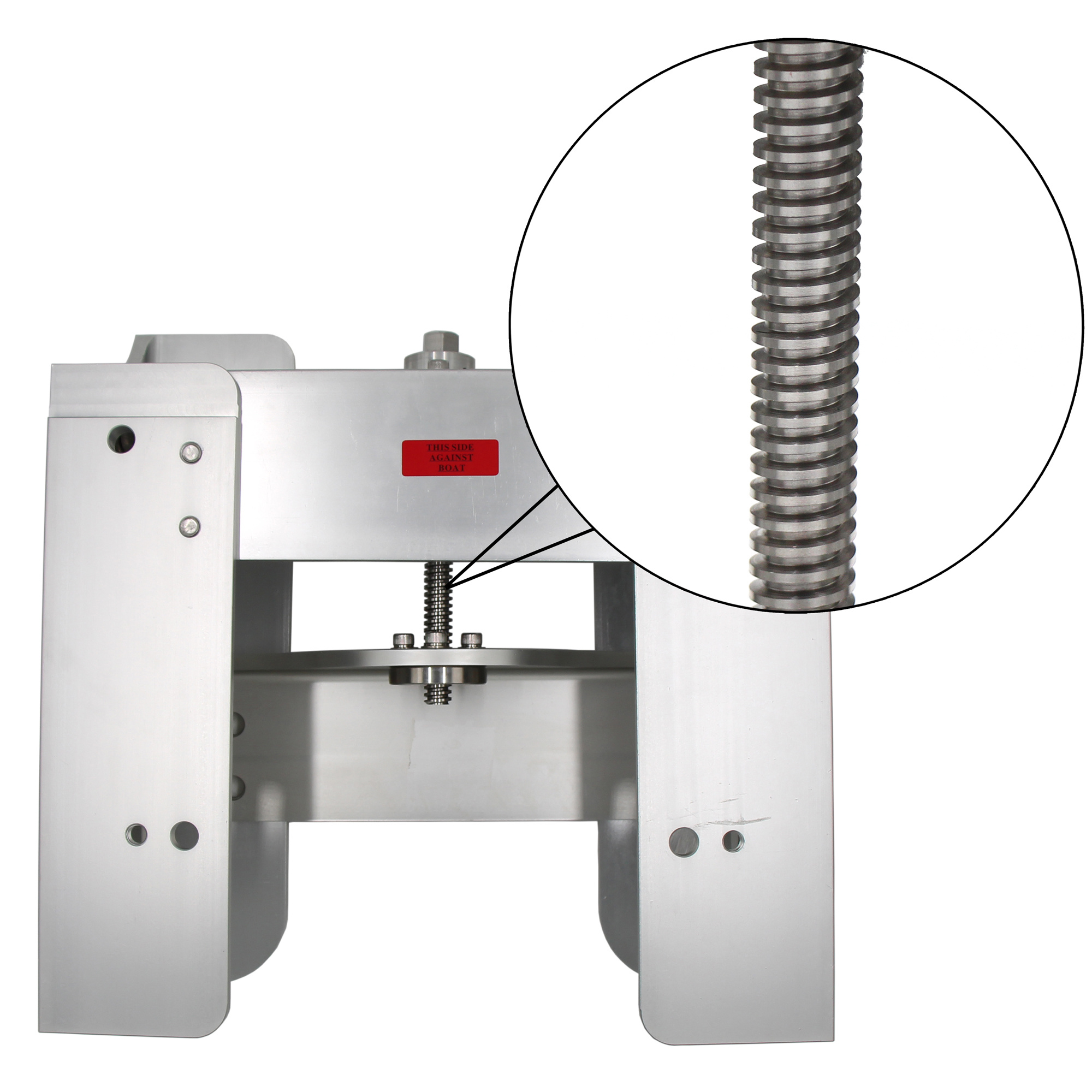
The Benefits of Outboard Motor Hydraulic Jack Plates for Enhanced Boating Experience
When it comes to enhancing the performance of your boat, the outboard motor hydraulic jack plate is an invaluable component that every boating enthusiast should consider. This device plays a crucial role in optimizing the positioning of outboard motors, which can lead to improved handling, fuel efficiency, and overall performance on the water.
An outboard motor hydraulic jack plate allows for the
2025-12-29

XIAMEN OLLWINNER INDUSTRY AND TRADE CO.,LTD
Our group is delicated to be a professional marine equipment supplier,consisting of R&D, purchase dept. ,QA&QC, production group, testing lab etc.
Contact Us
Room 3119, Building A, Mingnan Guzheng, Huli District, Xiamen, Fujian, China