

What Are Outboard Mechanical Steering Systems
2024-08-19
Outboard mechanical steering systems are critical components of modern marine vessels, facilitating the precise maneuvering and control of outboard motors. These systems are designed to provide reliable steering performance, ensuring that operators can navigate safely and efficiently in various water conditions. Essentially, an outboard mechanical steering system consists of several key components, including the helm, steering cables, and the outboard motor itself.
The helm is the control point for the operator, typically featuring a steering wheel or lever that allows for intuitive direction changes. The mechanical linkage between the helm and the outboard motor is managed through specially designed cables or rods, translating the operator's movements into corresponding actions at the motor. This direct connection offers a tactile response that enhances the operator's ability to feel the vessel's handling, which is particularly beneficial in dynamic environments.
One of the primary advantages of outboard mechanical steering systems is their simplicity and reliability. Unlike hydraulic systems, which can introduce complications and require maintenance to manage fluid levels and potential leaks, mechanical systems rely on straightforward mechanical linkages. This makes them easier to troubleshoot and repair in the event of a malfunction, allowing for minimal downtime. Additionally, mechanical systems tend to be more cost-effective due to their fewer moving parts and reduced maintenance needs.
Outboard mechanical steering systems are suitable for a variety of vessel types, from small recreational boats to larger commercial crafts. Their design can accommodate various outboard motor sizes and configurations, providing versatility for operators. Furthermore, these systems are often favored in applications where weight savings are significant, as they generally weigh less than their hydraulic counterparts.
It's also important to note that while mechanical steering systems are advantageous, they do require proper installation and adjustment to ensure optimal performance. Operators must ensure that the steering cables are appropriately tensioned and free from any obstructions to maintain smooth operation. Regular inspections should be conducted to check for wear and tear, which can affect steering responsiveness.
In conclusion, outboard mechanical steering systems are a vital part of marine navigation, offering a straightforward and reliable solution for steering outboard motors. With a focus on simplicity, cost-effectiveness, and ease of maintenance, these systems are an excellent choice for many maritime applications. As you consider steering options for your vessels, understanding the principles and benefits of outboard mechanical steering systems can greatly enhance your decision-making process in the maritime industry.
Outboard Mechanical Steering System
RELEVANT INFORMATION


Understanding Transom Hydraulic Jack Plates: Enhancing Your Vessel's Performance
2026-01-10
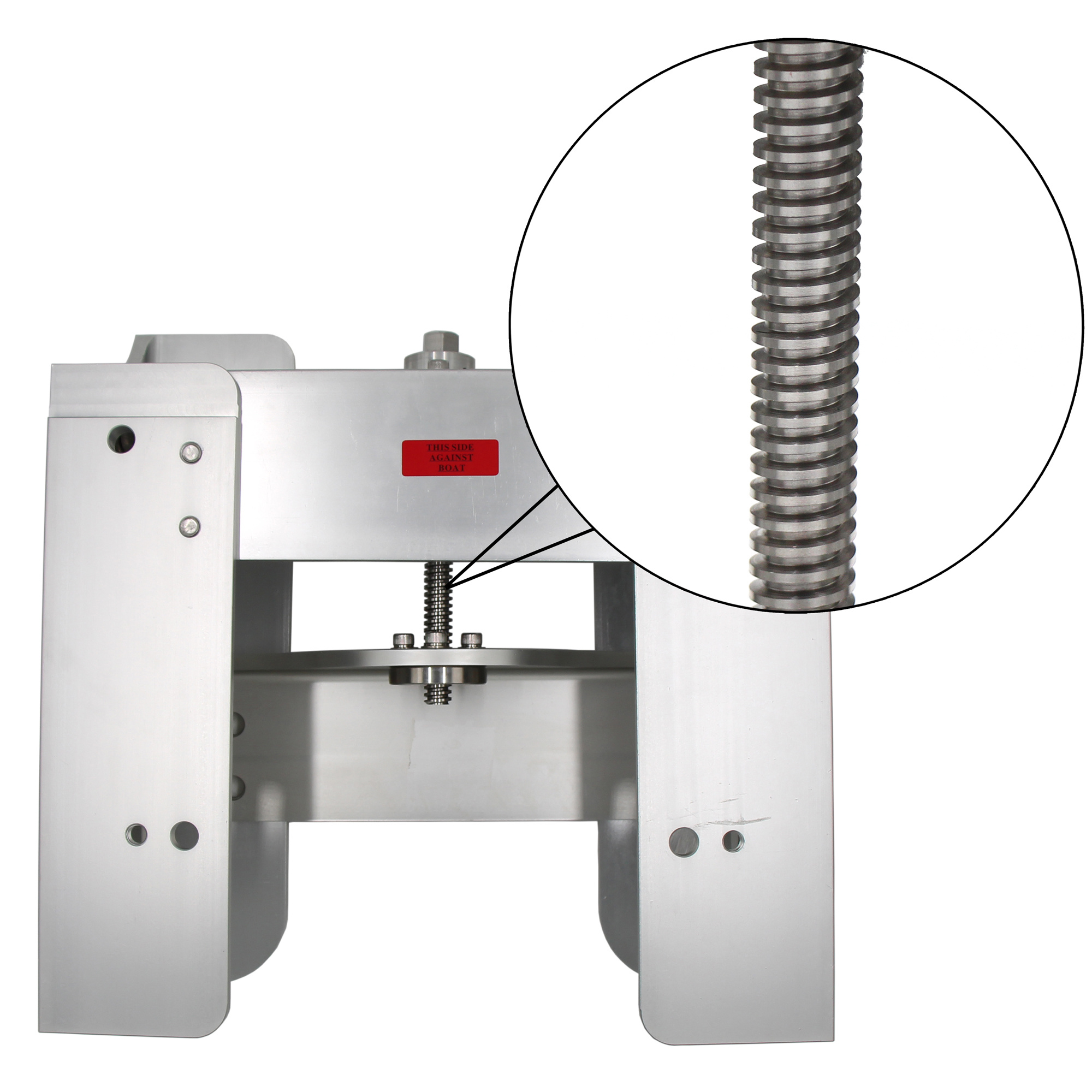
The Benefits of Outboard Motor Hydraulic Jack Plates for Enhanced Boating Experience
2025-12-29

XIAMEN OLLWINNER INDUSTRY AND TRADE CO.,LTD
Our group is delicated to be a professional marine equipment supplier,consisting of R&D, purchase dept. ,QA&QC, production group, testing lab etc.
Contact Us
Room 3119, Building A, Mingnan Guzheng, Huli District, Xiamen, Fujian, China