

Navigating the Market: Discovering the Latest Trends in Marine Boat Steering Systems
2025-07-22
Navigating the Market: Trends in Marine Boat Steering Systems
Introduction to Marine Boat Steering Systems
In the world of maritime navigation, **marine boat steering systems** serve as the backbone for maneuvering vessels across the water. These systems have evolved significantly over the years, driven by technological advancements and changing consumer preferences. Understanding the trends in
Navigating the Market: Trends in Marine Boat Steering Systems
Introduction to Marine Boat Steering Systems
In the world of maritime navigation, **marine boat steering systems** serve as the backbone for maneuvering vessels across the water. These systems have evolved significantly over the years, driven by technological advancements and changing consumer preferences. Understanding the trends in this market is crucial for manufacturers, engineers, and boat owners alike.
Understanding the Different Types of Marine Boat Steering Systems
Before diving into current trends, it is essential to understand the various types of steering systems available. Each has its unique advantages and applications.
Mechanical Steering Systems
Mechanical steering systems are traditional setups that utilize a series of cables and pulleys to connect the helm to the rudder. They are often favored for their simplicity and reliability in smaller vessels.
Hydraulic Steering Systems
Hydraulic systems employ fluid power to facilitate steering. They are common in larger boats due to their efficiency and ease of control, allowing for smoother maneuverability even at high speeds.
Electronic Steering Systems
Electronic or *fly-by-wire* steering systems represent the latest advancement in marine technology, offering unparalleled precision and control. These systems rely on electronic sensors and motors, eliminating the need for mechanical linkages and providing instant feedback to the operator.
Emerging Trends in Marine Boat Steering Technologies
As the marine industry continues to evolve, several trends are shaping the future of boat steering systems.
1. Integration of Autopilot Systems
The integration of **autopilot systems** is one of the most significant trends in marine steering technology. These systems allow for automated navigation, freeing up the captain to focus on other crucial tasks. Advanced autopilot systems now incorporate GPS and sonar technology, providing real-time data for optimal navigation.
2. Increased Focus on User Experience
Consumer expectations are evolving, with a growing demand for intuitive user interfaces. Manufacturers are focusing on the design of steering systems that enhance user experience, including adjustable steering wheels, ergonomic control layouts, and customizable settings.
3. Sustainable Technologies
With the increasing emphasis on sustainability, the marine industry is exploring eco-friendly steering solutions. Electric steering systems, which consume less energy and reduce emissions, are gaining traction. Manufacturers are also prioritizing materials that are recyclable and sustainable.
4. Enhanced Safety Features
Safety remains a top priority in boat design. Modern steering systems are now equipped with features such as emergency shutdown systems, collision avoidance technology, and integrated communication systems to ensure that operators are always in control during navigation.
5. The Rise of Smart Technology in Boats
The incorporation of **smart technology** into marine steering systems is revolutionizing the industry. Boats are now equipped with IoT devices that provide data analytics and performance tracking, enabling operators to make informed decisions in real-time.
Market Analysis: Demand Drivers and Challenges
Understanding the driving forces behind market demand is essential for stakeholders in the marine industry.
Demand Drivers
1. **Increased Recreational Boating Activities**: The rise in recreational boating activities, especially post-pandemic, has led to a surge in demand for advanced steering systems.
2. **Technological Advancements**: Continuous innovations in marine technology have made newer systems more appealing to both manufacturers and consumers.
3. **Regulatory Compliance**: Stricter regulations regarding safety and emissions are pushing manufacturers to adopt advanced steering technologies.
Challenges Facing the Marine Steering Market
Despite the positives, several challenges persist in the market:
1. **High Costs of Advanced Systems**: While advanced technologies offer numerous benefits, their initial costs can be prohibitive for smaller boat manufacturers.
2. **Maintenance and Repair Issues**: More complex systems may require specialized knowledge for maintenance, leading to increased operational costs for boat owners.
The Future of Marine Boat Steering Systems
Looking forward, we can expect continued innovation and adaptation in marine steering technologies. As consumer preferences shift and sustainability becomes a central theme, manufacturers will need to stay agile.
1. Continuous Innovation in Design
The focus will remain on creating systems that are not only functional but also aesthetically pleasing and user-friendly. This includes the development of customizable steering solutions tailored to the specific needs of individual users.
2. Greater Adoption of Autonomous Vessels
As the concept of autonomous vessels gains traction, steering systems will need to evolve to meet new regulatory standards and safety requirements. This will likely involve integrating more advanced sensor technology and machine learning algorithms.
3. Enhanced Connectivity
The future of marine boat steering will likely involve greater connectivity with other onboard systems. This will enable a more coordinated approach to navigation and vessel operations.
Conclusion
Navigating the market for marine boat steering systems requires an understanding of current trends, emerging technologies, and the challenges that lie ahead. As the industry continues to evolve, staying informed about these developments will empower both manufacturers and consumers to make better choices in steering solutions. Investing in advanced steering systems today not only enhances the boating experience but also prepares stakeholders for the future of maritime navigation.
Frequently Asked Questions (FAQs)
1. What are the advantages of hydraulic steering systems over mechanical systems?
Hydraulic steering systems offer smoother control and require less physical effort to operate, making them ideal for larger vessels.
2. How does an autopilot system improve boating safety?
Autopilot systems help maintain a steady course and free up the operator’s attention, allowing them to focus on potential hazards and navigation.
3. Are electronic steering systems more expensive than traditional systems?
Yes, electronic systems tend to be more expensive initially, but they often provide better performance and efficiency, which can offset costs over time.
4. What role does sustainability play in marine steering systems?
Sustainability is becoming crucial as manufacturers prioritize eco-friendly materials and technologies that reduce emissions and energy consumption.
5. How can boat owners maintain their steering systems effectively?
Regular inspections, timely maintenance, and adhering to manufacturer guidelines are essential for ensuring the longevity and performance of steering systems.
Marine Boat Steering System
RELEVANT INFORMATION


Understanding Transom Hydraulic Jack Plates: Enhancing Your Vessel's Performance
Transom hydraulic jack plates are essential components in the marine industry, particularly for enhancing the performance and maneuverability of boats. These devices are mounted on the transom, which is the rear part of the boat, and serve multiple functional purposes that can significantly improve your boating experience.
One of the primary benefits of a transom hydraulic jack plate is its abilit
2026-01-10
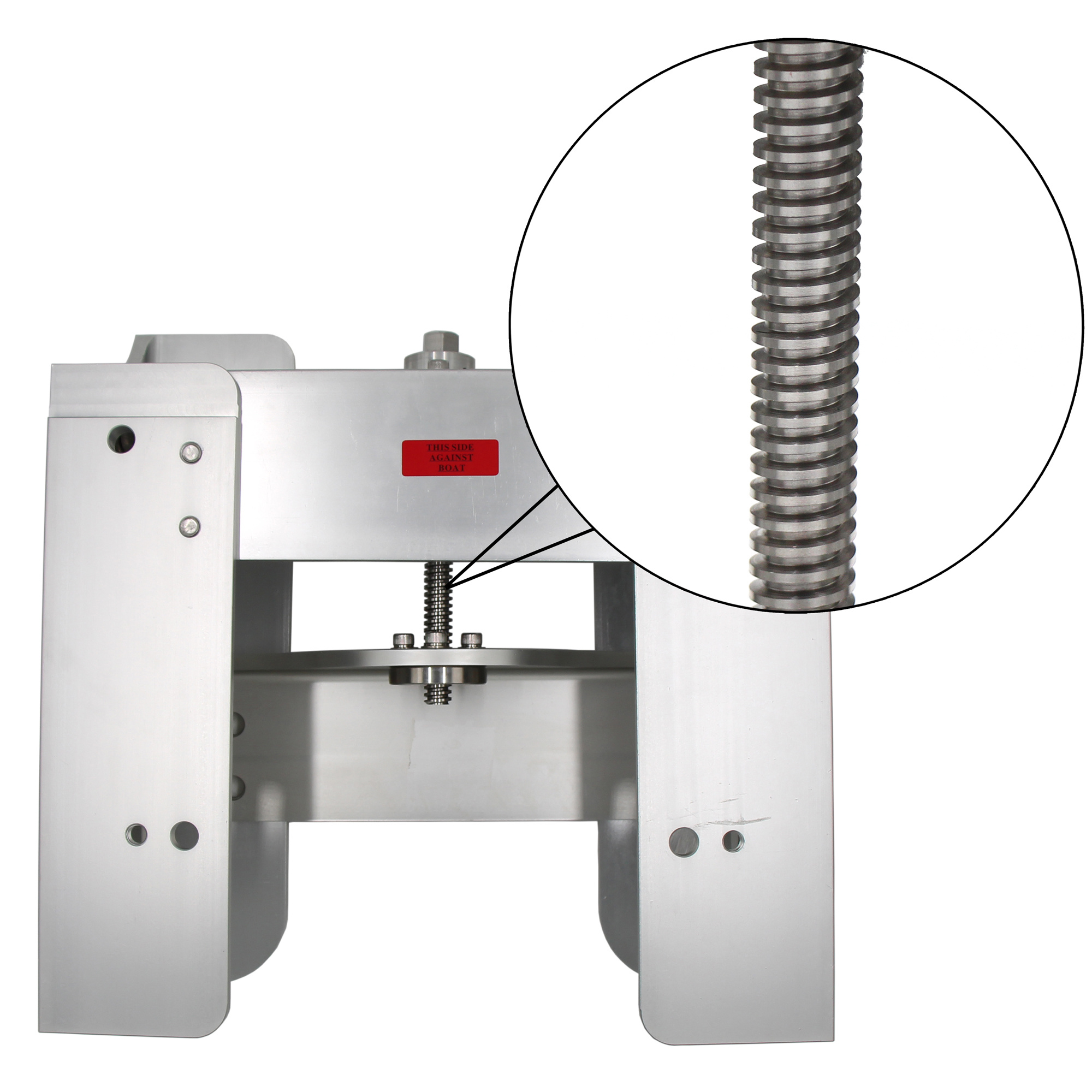
The Benefits of Outboard Motor Hydraulic Jack Plates for Enhanced Boating Experience
When it comes to enhancing the performance of your boat, the outboard motor hydraulic jack plate is an invaluable component that every boating enthusiast should consider. This device plays a crucial role in optimizing the positioning of outboard motors, which can lead to improved handling, fuel efficiency, and overall performance on the water.
An outboard motor hydraulic jack plate allows for the
2025-12-29

XIAMEN OLLWINNER INDUSTRY AND TRADE CO.,LTD
Our group is delicated to be a professional marine equipment supplier,consisting of R&D, purchase dept. ,QA&QC, production group, testing lab etc.
Contact Us
Room 3119, Building A, Mingnan Guzheng, Huli District, Xiamen, Fujian, China