

The Ultimate Guide to Choosing a Hydraulic Jack Plate for Your Boat
2024-12-30
1. Introduction to Hydraulic Jack Plates
In the world of boating, having the right equipment is crucial for optimal performance and safety. One piece of equipment that has gained significant attention among boaters is the **hydraulic jack plate transom mount**. This device enhances a boat's performance by allowing for greater control and adjustment of the outboard motor's position. In this guide, we will delve into the essentials of hydraulic jack plates, exploring their benefits, and types, and how to choose the right one for your boat.
2. What is a Hydraulic Jack Plate?
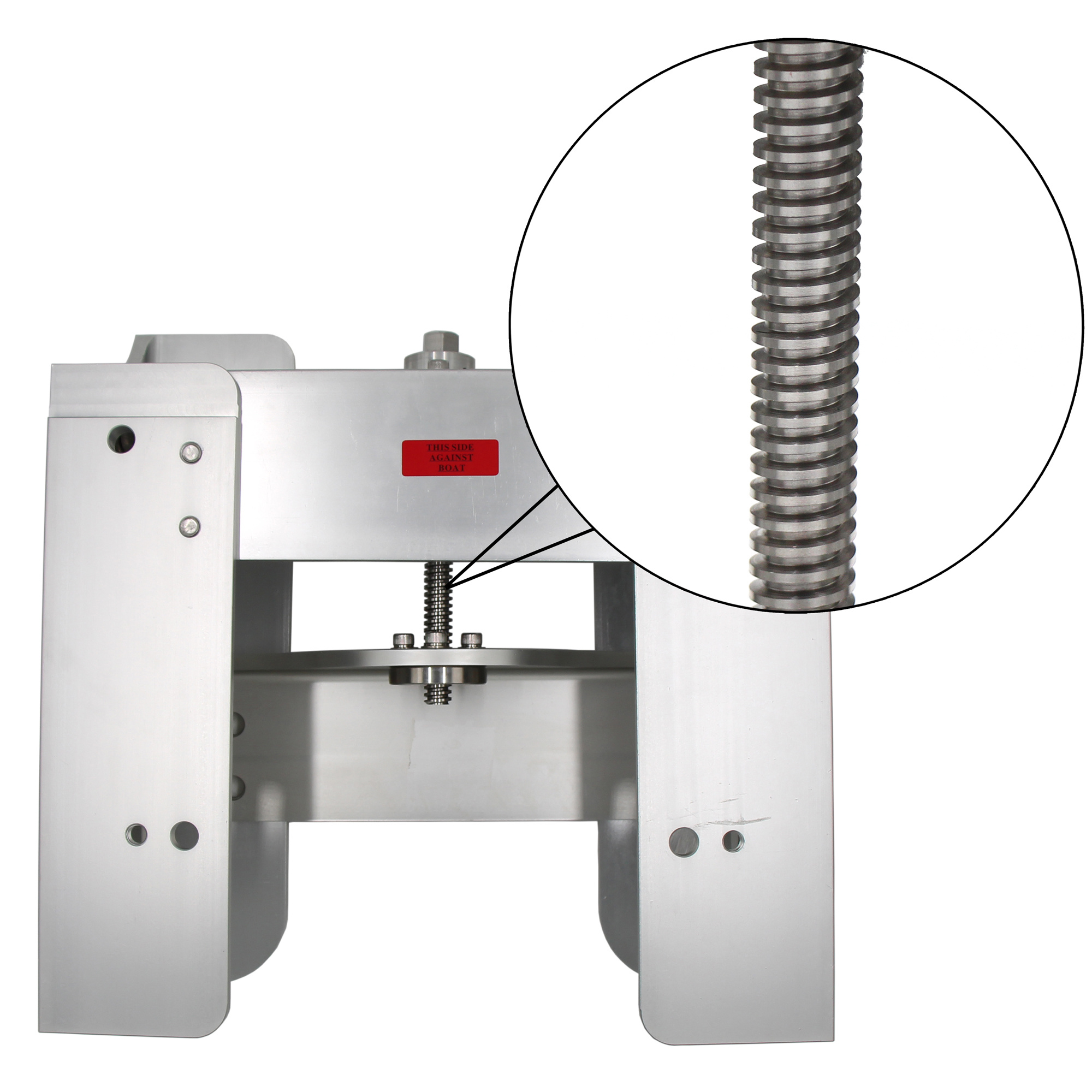
A hydraulic jack plate is a mechanical system that allows boaters to adjust the height of their outboard motor while on the water. This adjustment can improve the boat's efficiency, speed, and handling. Hydraulic jack plates are typically mounted between the transom of the boat and the outboard motor, functioning as a bridge that facilitates vertical movement.
The Mechanics Behind Hydraulic Jack Plates
At its core, a hydraulic jack plate uses hydraulic fluid to raise and lower the outboard motor. When the operator wants to raise the motor, hydraulic fluid is directed into the lifting cylinders, pushing the motor upward. Conversely, lowering the motor involves releasing the hydraulic pressure, allowing gravity to pull the motor back down.
3. Benefits of Using a Hydraulic Jack Plate
Implementing a hydraulic jack plate significantly enhances your boating experience. Here are some compelling benefits:
Improved Performance
One of the primary advantages of a hydraulic jack plate is the performance improvement. By allowing you to adjust the motor's height, you can optimize the boat's overall speed and efficiency. This adjustment can result in better fuel economy and increased horsepower.
Enhanced Control
A hydraulic jack plate provides better control during various phases of boating, such as acceleration and turning. By lowering the motor, you can gain more traction when launching, while raising it can help reduce drag and improve handling in shallow waters.
Versatility
Different water conditions require different motor heights. A hydraulic jack plate offers the versatility to adapt quickly to changing conditions, whether you're navigating shallow areas or seeking maximum speed on open water.
4. Types of Hydraulic Jack Plates
Understanding the different types of hydraulic jack plates is essential to make an informed choice. Here are the main categories:
Single Action Hydraulic Jack Plates
Single-action hydraulic jack plates allow movement in one direction, typically up. They are simpler in design and often more affordable, making them a popular choice among recreational boaters.
Double Action Hydraulic Jack Plates
Double-action hydraulic jack plates provide both upward and downward movement. This added functionality comes at a higher cost but is ideal for serious boaters seeking maximum performance and versatility.
Fixed Hydraulic Jack Plates
Fixed hydraulic jack plates do not allow for height adjustments but can provide additional support and stability for heavier motors. They are often used in conjunction with other systems for enhanced performance.
5. How to Choose the Right Hydraulic Jack Plate for Your Boat
Selecting the right hydraulic jack plate involves several factors:
Consider Your Boat Type and Size
Different boats require different jack plate specifications. Ensure the jack plate you choose is compatible with your boat's size and weight. Check the manufacturer’s recommendations and consult with professionals if necessary.
Assess Motor Compatibility
Your outboard motor's specifications play a critical role in choosing a hydraulic jack plate. Ensure that the jack plate can accommodate your motor's weight and horsepower without compromising performance.
Evaluate Your Boating Style
Your typical boating activities can guide your choice. If you frequently fish in shallow waters, a hydraulic jack plate that allows for quick height adjustments will be beneficial. Conversely, if you mainly cruise in deep waters, a simpler model may suffice.
Look for Quality and Additional Features
Investing in a hydraulic jack plate made from high-quality materials ensures longevity and durability. Additionally, consider models that offer features such as easy installation, remote control, or built-in gauges for added convenience.
6. Installation Guide for Hydraulic Jack Plates
Proper installation of your hydraulic jack plate is crucial for optimal performance. Follow these steps:
Gather Necessary Tools
Before beginning the installation, gather all necessary tools, including wrenches, screwdrivers, and possibly a helper for heavier models.
Remove the Existing Outboard Motor
Carefully detach the outboard motor from the transom using appropriate lifting techniques to prevent damage.
Attach the Hydraulic Jack Plate
Align the hydraulic jack plate with the transom and secure it in place using bolts and screws. Ensure that everything is tightened to the manufacturer's specifications to prevent movement.
Reattach the Outboard Motor
Once the jack plate is securely installed, reattach the outboard motor. Double-check that all connections are tight and properly aligned.
Test the System
After installation, test the hydraulic jack plate by adjusting the motor height while the boat is in a safe environment. Ensure that everything operates smoothly before hitting the water.
7. Maintenance Tips for Hydraulic Jack Plates
To ensure the longevity and performance of your hydraulic jack plate, regular maintenance is essential:
Regular Inspection
Periodically check the hydraulic system for leaks, wear, and corrosion. Address any issues immediately to avoid more significant problems down the line.
Fluid Level Checks
Maintain the proper hydraulic fluid level as per the manufacturer’s guidelines. Low fluid levels can impact performance and lead to premature wear.
Clean and Lubricate
Keep the jack plate clean and free from debris. Lubricate moving parts as recommended by the manufacturer to ensure smooth operation.
8. Common Issues and Solutions with Hydraulic Jack Plates
Even with proper maintenance, issues may arise. Here are some common problems and their solutions:
Motor Not Raising or Lowering
If the motor fails to move, check the hydraulic fluid level and inspect for leaks. Ensure that the pump is functioning correctly and that there are no blockages in the system.
Slow Response Time
A slow response can indicate low hydraulic fluid or air trapped in the system. Bleed the system according to the manufacturer's instructions and refill the fluid as needed.
Unusual Noises
Strange noises during operation may signal mechanical issues or low lubrication. Inspect the components for wear and replace any damaged parts immediately.
9. Conclusion
Choosing the right hydraulic jack plate transom mount for your boat can significantly enhance your overall boating experience. By understanding the various types, benefits, and installation processes, you can make an informed decision that aligns with your specific needs and preferences. Regular maintenance will ensure the longevity and performance of your jack plate, allowing you to enjoy the water with confidence and control.
Hydraulic jack plate transom mount
RELEVANT INFORMATION


Understanding Transom Hydraulic Jack Plates: Enhancing Your Vessel's Performance
2026-01-10
The Benefits of Outboard Motor Hydraulic Jack Plates for Enhanced Boating Experience
2025-12-29

XIAMEN OLLWINNER INDUSTRY AND TRADE CO.,LTD
Our group is delicated to be a professional marine equipment supplier,consisting of R&D, purchase dept. ,QA&QC, production group, testing lab etc.
Contact Us
Room 3119, Building A, Mingnan Guzheng, Huli District, Xiamen, Fujian, China