

Why a Hydraulic Jack Plate is Essential for Your Marine Engine Performance
2024-12-21
1. What is a Hydraulic Jack Plate?
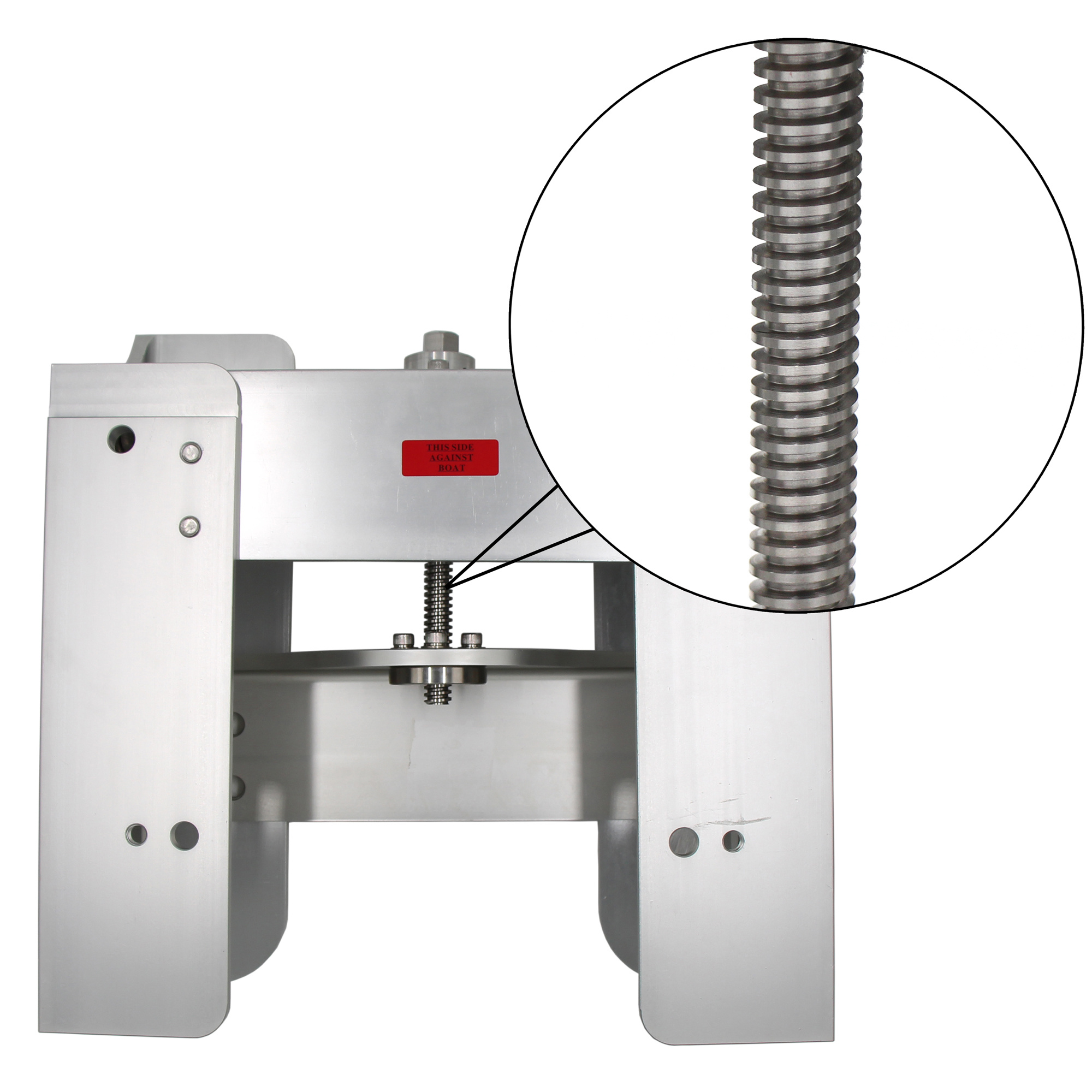
A hydraulic jack plate 10" setback is a mechanical device installed between the transom of a boat and the engine. It allows the operator to adjust the vertical position of the engine while the boat is in operation. This adjustment plays a crucial role in enhancing the boat's performance, stability, and fuel efficiency. By enabling the engine to be raised or lowered, it helps in optimizing the boat's running position according to water conditions, weight distribution, and speed.

2. Benefits of Using a Hydraulic Jack Plate
The advantages of equipping your boat with a hydraulic jack plate are significant and multifaceted:
Improved Fuel Efficiency
By adjusting the engine's height, a hydraulic jack plate reduces drag, allowing the boat to glide more smoothly through the water. This reduction in drag translates to better fuel efficiency, saving you money in the long run.
Enhanced Maneuverability
A hydraulic jack plate allows for quicker adjustments, giving you the ability to respond to changing water conditions effectively. Whether navigating shallow waters or making sharp turns, this device enhances your boat's handling capabilities.
Optimal Engine Performance
Raising the engine can enhance the overall performance. When the engine is positioned correctly, it can reach higher RPMs and deliver more power, thus improving the boat's speed and acceleration.
Better Propeller Performance
A hydraulic jack plate gives you the flexibility to adjust the propeller's position relative to the water surface. This adjustment can lead to improved propeller efficiency, resulting in superior performance and reduced cavitation.
Increased Boat Stability
By allowing for adjustments based on weight distribution and water conditions, a hydraulic jack plate contributes to the stability of the boat. This stability is crucial for safety, particularly during high-speed maneuvers.
3. How Does a Hydraulic Jack Plate Work?
The mechanism of a hydraulic jack plate involves hydraulic cylinders that lift or lower the engine based on the operator's input. Typically, the operator uses a switch installed in the cockpit to control the hydraulic pump, which then moves the engine up or down. This allows for real-time adjustments while on the water, making it a highly functional component for enhancing performance.
4. Types of Hydraulic Jack Plates
Understanding the different types of hydraulic jack plates available can help you choose the right one for your needs.
4.1 Manual vs. Hydraulic
- Manual Hydraulic Jack Plates: These require physical effort to adjust the engine's height. While they are less expensive and simpler, they can be cumbersome to operate on the water.
- Fully Hydraulic Jack Plates: These offer push-button operation for instantaneous adjustments, making them user-friendly and efficient for dynamic conditions.
4.2 Fixed vs. Adjustable
- Fixed Jack Plates: These maintain a single, predetermined height and are less versatile. They are suitable for boats that operate in specific conditions.
- Adjustable Jack Plates: These provide the flexibility to modify the engine height according to various needs, making them ideal for recreational and performance-oriented boating.
5. Installation Process for a Hydraulic Jack Plate
Installing a hydraulic jack plate requires specific tools and expertise. Here’s a streamlined process to guide you:
1. Gather Tools and Equipment: You’ll need a socket set, wrenches, a drill, and the hydraulic jack plate kit.
2. Remove the Existing Engine: Carefully detach the engine from the transom, ensuring all wiring and fuel lines are safely disconnected.
3. Attach the Hydraulic Jack Plate: Position the jack plate on the transom and secure it using bolts. Make sure to follow the manufacturer’s instructions for proper alignment.
4. Reinstall the Engine: Bolt the engine onto the jack plate, ensuring it is level and secure.
5. Connect Hydraulic Lines: Follow the hydraulic system’s instructions to connect the lines, ensuring there are no leaks.
6. Test the Operation: Before heading out, test the hydraulic adjustments to confirm everything is functioning as expected.
6. Maintenance Tips for Your Hydraulic Jack Plate
Regular maintenance of your hydraulic jack plate ensures long-lasting performance and reliability:
- Inspect for Leaks: Regularly check for any hydraulic fluid leaks, as these can lead to malfunctions.
- Clean the Components: Remove any debris or salt build-up from the plate and moving parts to prevent corrosion.
- Check Electrical Connections: Ensure all electrical connections are secure and free from moisture.
- Operate the Jack Plate Periodically: Regularly test the hydraulic adjustments, even when not in use, to keep the system functioning smoothly.
- Consult the Manufacturer’s Manual: Follow the manufacturer’s recommendations for servicing and maintenance.
7. Common Issues with Hydraulic Jack Plates and Solutions
Even with proper maintenance, issues can arise with hydraulic jack plates. Here are some common problems and their solutions:
Hydraulic Fluid Leaks
If you notice a leak, check the hydraulic lines and connections for damage. Replace any worn or damaged components to restore proper function.
Slow Response Time
If the engine adjustments are slow, check the hydraulic fluid levels. Low fluid can affect performance. Ensure the system is bled of air and filled with the appropriate hydraulic fluid.
Electrical Malfunctions
If the switch fails, check all connections for corrosion or damage. Replacing the switch may be necessary if it is faulty.
In conclusion, a hydraulic jack plate is an indispensable component for any serious boater aiming to enhance marine engine performance. Its ability to improve fuel efficiency, maneuverability, and stability makes it a worthy investment. Understanding its operation, installation, and maintenance can significantly impact your boating experience. Whether you’re navigating shallow waters or speeding across a lake, the hydraulic jack plate provides the flexibility and control needed to maximize your boat’s potential. Investing in this technology is essential for anyone looking to elevate their marine adventures.
Hydraulic jack plate 10" setback
RELEVANT INFORMATION


Understanding Transom Hydraulic Jack Plates: Enhancing Your Vessel's Performance
2026-01-10
The Benefits of Outboard Motor Hydraulic Jack Plates for Enhanced Boating Experience
2025-12-29

XIAMEN OLLWINNER INDUSTRY AND TRADE CO.,LTD
Our group is delicated to be a professional marine equipment supplier,consisting of R&D, purchase dept. ,QA&QC, production group, testing lab etc.
Contact Us
Room 3119, Building A, Mingnan Guzheng, Huli District, Xiamen, Fujian, China