

Understanding the Benefits of Outboard Anodized Hydraulic Jack Plates for Enhanced Marine Performance
2024-11-09
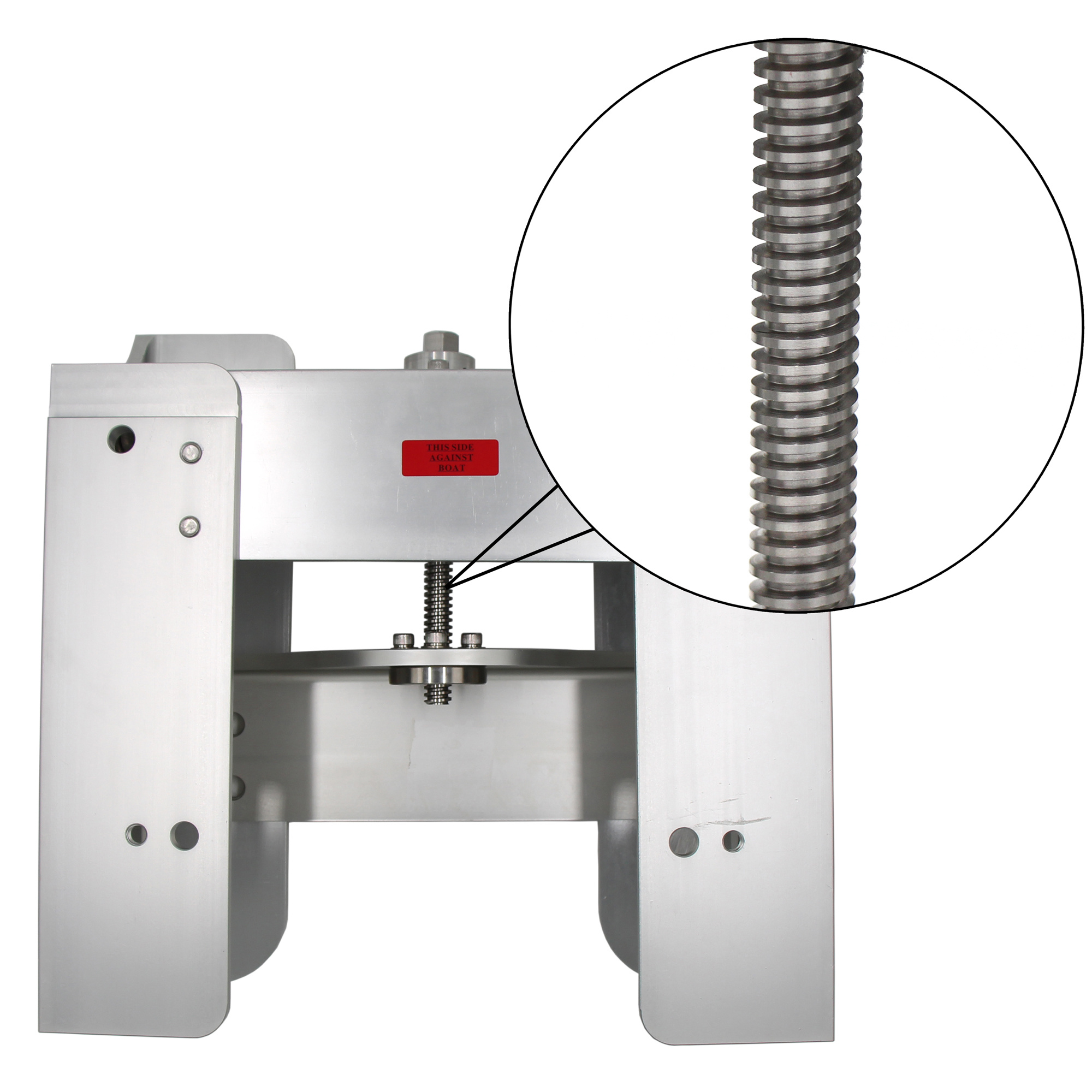
Outboard anodized hydraulic jack plates are mechanical devices mounted between the transom of the boat and its outboard motor. Their primary function is to adjust the vertical position of the motor, which can provide various advantages in different boating conditions. The anodizing process enhances the durability of the plates, making them resistant to corrosion and wear, essential features for marine environments.
How Do Hydraulic Jack Plates Work?
Hydraulic jack plates operate using hydraulic cylinders that raise or lower the outboard motor. By adjusting the motor's height, boaters can optimize their vessel's running attitude, speed, and fuel efficiency. This adjustment allows for improved hydrodynamics, ultimately leading to a smoother ride.
Benefits of Using Outboard Anodized Hydraulic Jack Plates
The advantages of using outboard anodized hydraulic jack plates are manifold. Let's delve into some of the most significant benefits:
Enhanced Performance and Speed
One of the primary benefits of installing hydraulic jack plates is the enhanced performance they offer. By adjusting the motor's height, you can achieve optimal propeller engagement with the water. This adjustment leads to reduced drag and an increase in speed. Whether you are engaged in fishing, water sports, or leisurely cruising, hydraulic jack plates can help you reach your desired speed more efficiently, resulting in an overall better boating experience.
Improved Stability and Handling
Stability is crucial when navigating through various water conditions. Hydraulic jack plates allow for fine-tuning of the motor height, which directly influences the boat's balance and stability. A higher motor position can reduce the boat's bow lift, improving handling and making it easier to maneuver in challenging conditions. This added control enhances safety and comfort for all onboard.
Protection Against Corrosion
Marine environments expose equipment to saltwater, leading to corrosion and wear. However, the anodizing process used on hydraulic jack plates creates a protective layer that not only increases durability but also protects against the harmful effects of saltwater. This feature ensures that your hydraulic jack plate remains functional and aesthetically pleasing for years to come.
Installation and Adjustment of Hydraulic Jack Plates
Proper installation of outboard anodized hydraulic jack plates is essential for maximizing their benefits. Here’s how to ensure an effective setup:
Step-by-Step Installation Guide
1. Gather Tools and Equipment: Ensure you have all necessary tools, including wrenches, screwdrivers, and a hydraulic pump.
2. Position the Jack Plate: Align the jack plate with the transom of your boat. Make sure it is level to ensure even weight distribution.
3. Secure the Plate: Follow the manufacturer’s instructions to secure the jack plate to the transom using the recommended bolts and hardware.
4. Mount the Outboard Motor: Carefully attach the outboard motor to the jack plate, ensuring all connections are secure.
5. Hydraulic Setup: Connect the hydraulic lines according to the manufacturer’s guidelines. This step is critical to ensure smooth operation.
Adjusting the Height
Once installed, adjusting the height of the outboard motor is relatively straightforward. Most hydraulic jack plates come with a switch or remote control that allows for easy height adjustments while on the water. Begin with slight adjustments and monitor the boat's performance to find the optimal height.
Maintenance Tips for Longevity
To ensure the longevity and performance of your outboard anodized hydraulic jack plate, consider the following maintenance tips:
Regular Inspections
Conduct regular inspections of the hydraulic lines and connections. Look for any signs of wear or leaks that could impair functionality.
Cleaning
After each use, rinse the jack plate with fresh water to remove salt and debris. This simple act helps prevent corrosion and prolongs the lifespan of the component.
Lubrication
Lubricate moving parts as recommended by the manufacturer. Proper lubrication minimizes friction and wear, ensuring smooth operation.
Winterization
If you live in an area with cold winters, proper winterization is crucial. Store the jack plate in a dry location and follow manufacturer recommendations for preparation and storage.
Common Issues and Solutions
Despite their durability, hydraulic jack plates can encounter issues. Here are some common problems and their solutions:
Hydraulic Leaks
If you notice hydraulic fluid leakage, inspect the lines and connections for damage. Replace any damaged parts immediately to prevent further issues.
Slow or Inoperative Adjustment
If the hydraulic system operates slowly or not at all, check the hydraulic fluid levels. Low fluid can impede performance, so ensure levels are adequate and top off as needed.
Corrosion Damage
Even with anodizing, corrosion can occur. If you notice corrosion, address it immediately by cleaning the affected area and applying a protective coating.
Outboard anodized hydraulic jack plates are essential components that enhance the performance and functionality of your marine vessel. From improved speed and stability to protection against corrosion, these devices transform your boating experience, making every outing more enjoyable. By understanding their benefits, proper installation, and maintenance practices, you can ensure that your hydraulic jack plate serves you well for many years. Embrace the advantages these innovative tools offer, and elevate your time on the water to a new level.
outboard anodized hydraulic jack plate
RELEVANT INFORMATION


Understanding Transom Hydraulic Jack Plates: Enhancing Your Vessel's Performance
2026-01-10
The Benefits of Outboard Motor Hydraulic Jack Plates for Enhanced Boating Experience
2025-12-29

XIAMEN OLLWINNER INDUSTRY AND TRADE CO.,LTD
Our group is delicated to be a professional marine equipment supplier,consisting of R&D, purchase dept. ,QA&QC, production group, testing lab etc.
Contact Us
Room 3119, Building A, Mingnan Guzheng, Huli District, Xiamen, Fujian, China