

What Are the Outboard Mechanical Steering Systems
2024-07-20
Outboard mechanical steering systems play a crucial role in the operation of boats and watercraft. These systems are responsible for controlling the direction of the vessel by transmitting the steering input from the helm to the outboard engine. In this article, we will explore the key components and functions of outboard mechanical steering systems.
One of the main components of an outboard mechanical steering system is the steering cable. This cable connects the helm (steering wheel) to the engine, allowing the captain to turn the boat in the desired direction. The cable is typically made of stainless steel or other durable materials to ensure smooth and precise steering.
Another important part of the system is the steering mechanism, which converts the rotary motion of the helm into linear motion that is transmitted to the outboard engine. The mechanism consists of various gears, pulleys, and linkages that work together to translate the steering input into a change in direction for the boat.
Proper maintenance of the outboard mechanical steering system is essential to ensure safe and efficient operation. Regular inspections and lubrication of the steering components are necessary to prevent wear and corrosion. It is also important to check for any signs of damage or misalignment that could affect the system's performance.
Outboard mechanical steering systems are integral to the safe navigation of boats and watercraft. Understanding how these systems work and how to properly maintain them is essential for all boat owners and operators. By familiarizing yourself with the key components and functions of outboard mechanical steering systems, you can ensure a smooth and enjoyable boating experience.
Outboard Mechanical Steering System
RELEVANT INFORMATION


Understanding Transom Hydraulic Jack Plates: Enhancing Your Vessel's Performance
2026-01-10
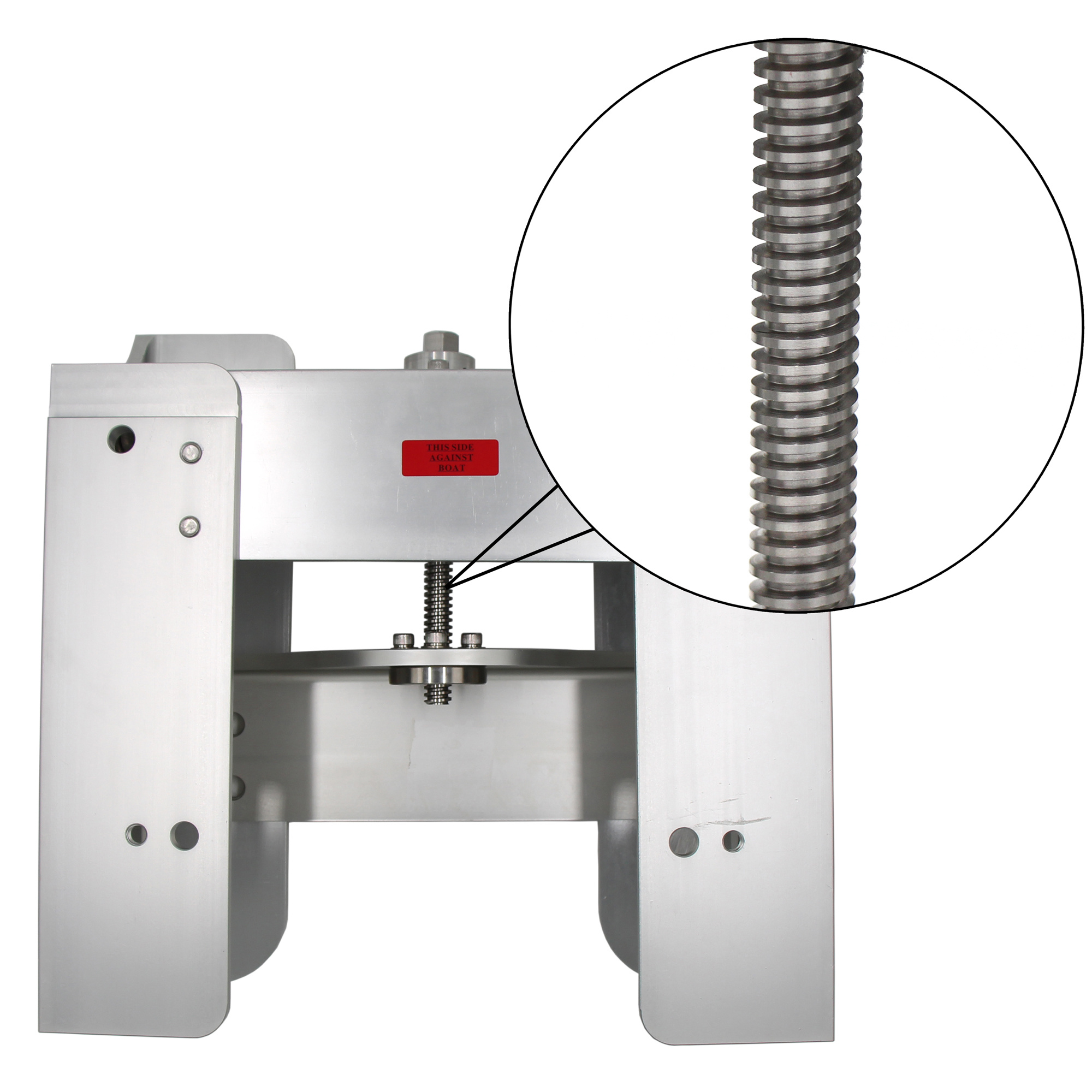
The Benefits of Outboard Motor Hydraulic Jack Plates for Enhanced Boating Experience
2025-12-29

XIAMEN OLLWINNER INDUSTRY AND TRADE CO.,LTD
Our group is delicated to be a professional marine equipment supplier,consisting of R&D, purchase dept. ,QA&QC, production group, testing lab etc.
Contact Us
Room 3119, Building A, Mingnan Guzheng, Huli District, Xiamen, Fujian, China