

Enhance Your Boating Experience: The Ultimate Guide to Jack Plates
2024-09-15
Jack plates are adjustable mounting brackets that elevate and position outboard motors. These devices provide boaters with enhanced control over their motor's height, allowing for better performance in various water conditions. By enabling the adjustment of the outboard motor's vertical position, jack plates improve the boat's overall efficiency and handling.
Understanding the Mechanism of Jack Plates
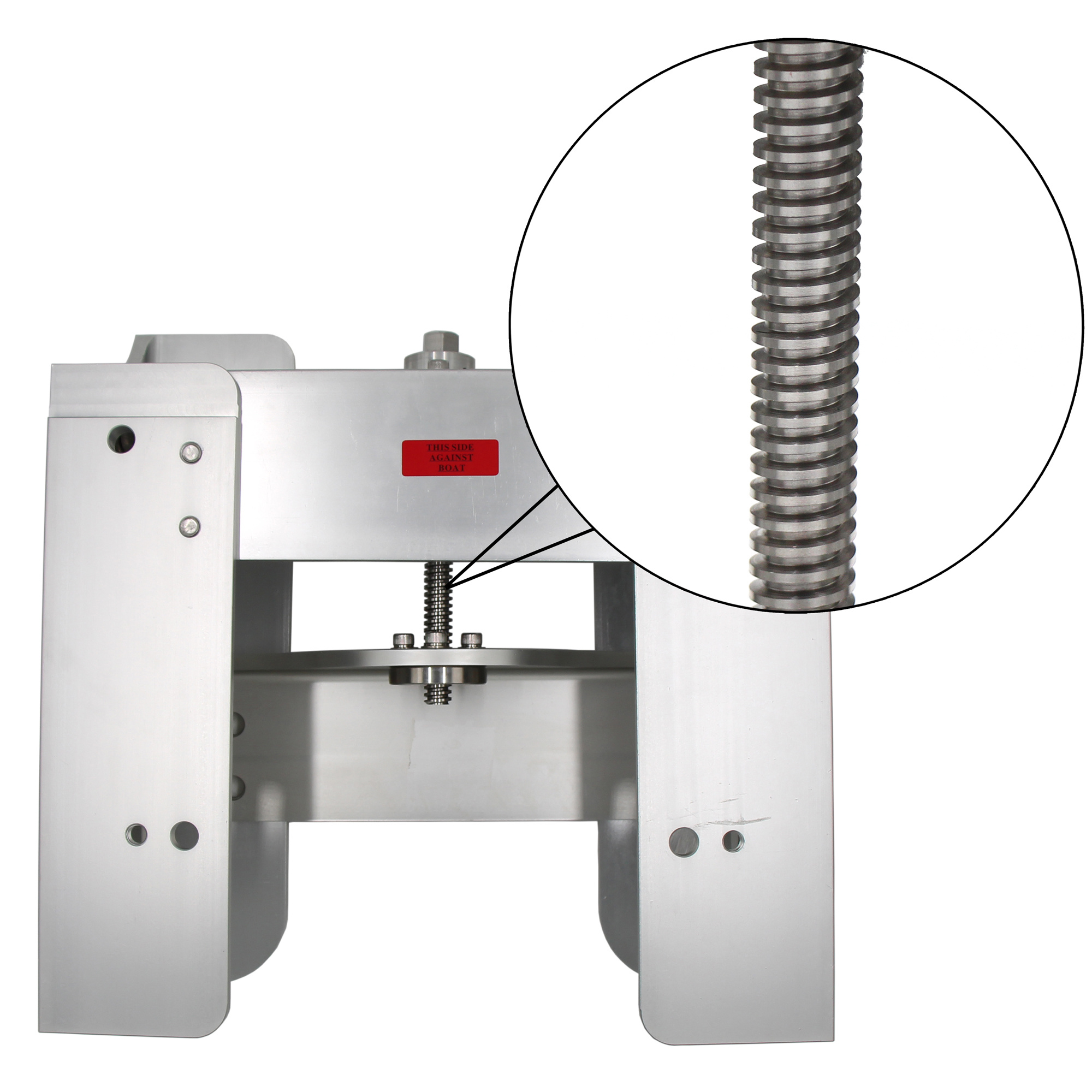
Jack plates come equipped with a hydraulic or manual adjustment mechanism. The hydraulic system allows for seamless height adjustments while on the water, providing the flexibility to adapt to changing conditions. Manual jack plates require physical adjustments, which can be less convenient but still effective.
Types of Jack Plates
Choosing the right type of jack plate is essential for optimizing your boating experience. Here are the most common types available:
1. Fixed Jack Plates
Fixed jack plates provide a predetermined height adjustment and are ideal for boats that operate in consistent water conditions. These are typically more affordable but offer limited flexibility.
2. Manual Jack Plates
Manual jack plates allow for mechanical adjustments. While they require some effort to change the motor height, they are often more robust and reliable than hydraulic systems.
3. Hydraulic Jack Plates
Hydraulic jack plates offer the most versatility, allowing for real-time adjustments on the water. This feature enhances performance by optimizing the motor height for various situations, whether navigating shallow waters or maximizing speed in open waters.
Benefits of Using Jack Plates
Incorporating a jack plate into your boating setup can offer several significant advantages:
Improved Performance
By adjusting the motor height, jack plates can significantly improve your boat's speed and fuel efficiency. A properly positioned motor reduces drag and enhances overall performance.
Enhanced Maneuverability
Jack plates allow for better control and maneuverability, especially in shallow waters. By raising the motor, you can navigate tight spaces and avoid obstacles.
Increased Stability
With the ability to adjust motor height, jack plates help maintain stability during various speeds and water conditions. This stability contributes to a smoother overall boating experience.
Protection from Damage
Jack plates can protect your outboard motor from potential damage caused by shallow water or debris. By raising the motor, you reduce the risk of impact and wear.
How Jack Plates Work
Jack plates function by adjusting the vertical position of the outboard motor. When the motor is raised, the angle at which the propeller enters the water changes, affecting the hydrodynamics of the boat. This change can lead to better performance in terms of speed, fuel efficiency, and maneuverability.
Hydrodynamic Principles
Understanding the hydrodynamic principles at play is crucial for maximizing the benefits of jack plates. When the motor is properly positioned, it can reduce drag and allow for better flow around the hull, enhancing acceleration and overall performance.
Installation Process for Jack Plates
Installing a jack plate requires careful attention to detail. Here’s a step-by-step guide to ensure a successful installation:
1. Gather Required Tools and Materials
Before starting the installation, gather the necessary tools, including wrenches, drills, and screws. Ensure you have the jack plate kit and any additional components required.
2. Remove the Outboard Motor
Detach the outboard motor from the boat. This process may involve disconnecting electrical wiring and removing mounting bolts.
3. Position the Jack Plate
Align the jack plate with the mounting holes on the transom. Ensure that the plate is level and secure it in place following the manufacturer’s instructions.
4. Reattach the Outboard Motor
Once the jack plate is secured, reattach the outboard motor, ensuring all connections are tight and secure.
5. Test the Setup
After installation, take the boat out for a test run to ensure the jack plate is functioning properly. Make height adjustments as necessary.
Maintenance Tips for Jack Plates
Proper maintenance of your jack plate is crucial for longevity and optimal performance. Here are some essential tips:
1. Regular Inspections
Inspect your jack plate frequently for any signs of wear or damage. Addressing issues early can prevent more significant problems later.
2. Lubrication
Regularly lubricate moving parts of hydraulic jack plates to ensure smooth operation. Follow the manufacturer's recommendations for the best results.
3. Keep it Clean
Remove any debris or buildup from the jack plate and surrounding areas. Keeping the equipment clean helps maintain functionality.
Performance Enhancements with Jack Plates
Using jack plates can lead to a variety of performance enhancements for your boat:
1. Increased Top Speed
Elevating the motor can help achieve higher speeds by reducing drag. The right jack plate can optimize your boat's performance for maximum speed.
2. Better Fuel Efficiency
By improving the motor's position, jack plates can enhance fuel efficiency. The reduced drag allows for more efficient travel across the water, which can save you money on fuel.
3. Enhanced Handling in Rough Waters
Jack plates provide the ability to adjust the motor height according to water conditions, offering better handling during rough conditions.
Common Issues and Solutions
While jack plates are relatively reliable, issues can arise. Here are some common problems and their solutions:
1. Hydraulic Leaks
If you notice a drop in hydraulic fluid levels, check for leaks in the system. Tightening fittings or replacing seals may be necessary.
2. Motor Misalignment
If the motor appears misaligned, ensure that the jack plate is level and securely fastened. Recheck your installation if issues persist.
3. Difficulty in Adjustment
If you experience challenges in adjusting the motor height, inspect the adjustment mechanism for blockages or damage. Regular lubrication can also help alleviate this issue.
Conclusion
Incorporating a jack plate into your boating setup can significantly enhance your overall experience on the water. With improved performance, maneuverability, and efficiency, jack plates offer numerous benefits that every boater should consider. By understanding their function, types, and maintenance, you can make informed decisions that will optimize your boat’s capabilities. Embrace the advantages of jack plates and take your boating adventures to the next level.
Jack Plate
RELEVANT INFORMATION


Understanding Transom Hydraulic Jack Plates: Enhancing Your Vessel's Performance
2026-01-10
The Benefits of Outboard Motor Hydraulic Jack Plates for Enhanced Boating Experience
2025-12-29

XIAMEN OLLWINNER INDUSTRY AND TRADE CO.,LTD
Our group is delicated to be a professional marine equipment supplier,consisting of R&D, purchase dept. ,QA&QC, production group, testing lab etc.
Contact Us
Room 3119, Building A, Mingnan Guzheng, Huli District, Xiamen, Fujian, China