

Understanding the Hydraulic Steering System in Marine Transportation
2024-03-21
Hydraulic steering systems play a crucial role in the smooth operation of vessels in the marine transportation industry. These systems utilize hydraulic power to assist in steering the ship, providing greater control and maneuverability on the water.
Key components of a hydraulic steering system include a hydraulic pump, hydraulic fluid, hydraulic lines, a steering cylinder, and a steering wheel. The hydraulic pump is responsible for generating the necessary hydraulic pressure, which is transmitted through the hydraulic fluid to the steering cylinder. The steering cylinder then converts this hydraulic pressure into mechanical force, allowing the steering wheel to turn the rudder and change the direction of the vessel.
One of the main advantages of hydraulic steering systems is their ability to provide consistent and reliable steering, even in challenging conditions such as rough seas or strong winds. The hydraulic fluid used in these systems also helps to dissipate heat, reducing the risk of overheating and ensuring smooth operation.
Regular maintenance and inspections are essential to keep hydraulic steering systems in optimal condition. This includes checking for leaks in the hydraulic lines, monitoring the hydraulic fluid levels, and ensuring that all components are properly lubricated. Any signs of damage or wear should be addressed promptly to prevent more significant issues from arising.
By understanding the inner workings of hydraulic steering systems, professionals in the marine transportation industry can ensure the safety and efficiency of their vessels. With proper knowledge and maintenance, hydraulic steering systems can continue to provide reliable steering for years to come.
Hydraulic steering system
RELEVANT INFORMATION


Understanding Transom Hydraulic Jack Plates: Enhancing Your Vessel's Performance
2026-01-10
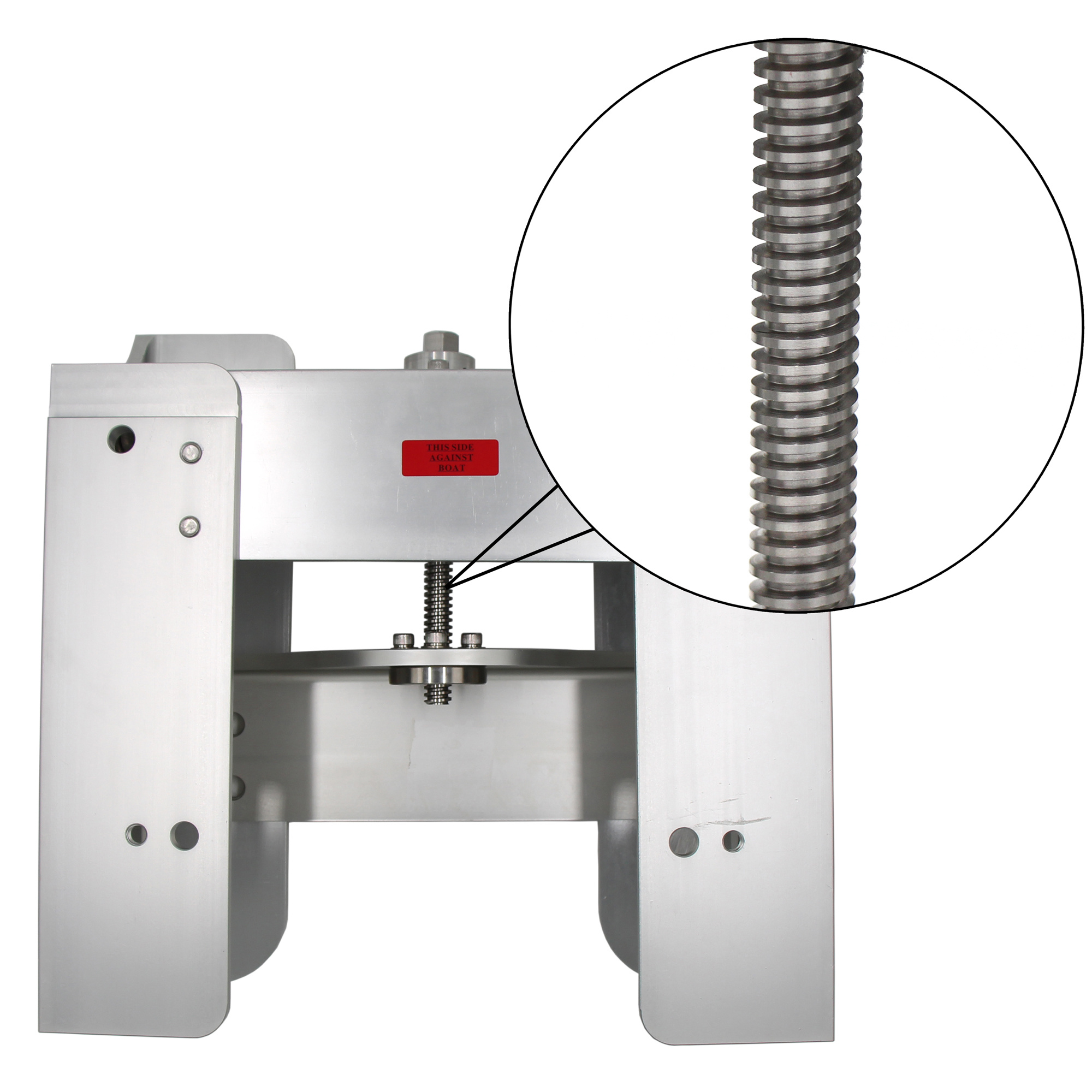
The Benefits of Outboard Motor Hydraulic Jack Plates for Enhanced Boating Experience
2025-12-29

XIAMEN OLLWINNER INDUSTRY AND TRADE CO.,LTD
Our group is delicated to be a professional marine equipment supplier,consisting of R&D, purchase dept. ,QA&QC, production group, testing lab etc.
Contact Us
Room 3119, Building A, Mingnan Guzheng, Huli District, Xiamen, Fujian, China