

Understanding the Mechanics of Hydraulic Jack Plates for Boats: A Comprehensive Guide
2025-12-11
Understanding the Mechanics of Hydraulic Jack Plates for Boats
Table of Contents
1. Introduction to Hydraulic Jack Plates for Boats
2. What is a Hydraulic Jack Plate?
3. Mechanics of Hydraulic Jack Plates
4. The Benefits of Using Hydraulic Jack Plates
5. Installation and Adjustments of Hydraulic Jack Plates
6. Maintenance and Care for Hydraulic Jack Plates
7. Troublesh
Understanding the Mechanics of Hydraulic Jack Plates for Boats
Table of Contents
- 1. Introduction to Hydraulic Jack Plates for Boats
- 2. What is a Hydraulic Jack Plate?
- 3. Mechanics of Hydraulic Jack Plates
- 4. The Benefits of Using Hydraulic Jack Plates
- 5. Installation and Adjustments of Hydraulic Jack Plates
- 6. Maintenance and Care for Hydraulic Jack Plates
- 7. Troubleshooting Common Hydraulic Jack Plate Issues
- 8. Conclusion: Elevate Your Boating Experience
- 9. FAQs About Hydraulic Jack Plates
1. Introduction to Hydraulic Jack Plates for Boats
Navigating the waters requires precision and control, and the equipment we use plays a crucial role in enhancing our boating experience. One of the unsung heroes in boating technology is the hydraulic jack plate, an essential component that elevates a boat's performance. Understanding how hydraulic jack plates work can lead to better performance and increased safety on the water.
2. What is a Hydraulic Jack Plate?
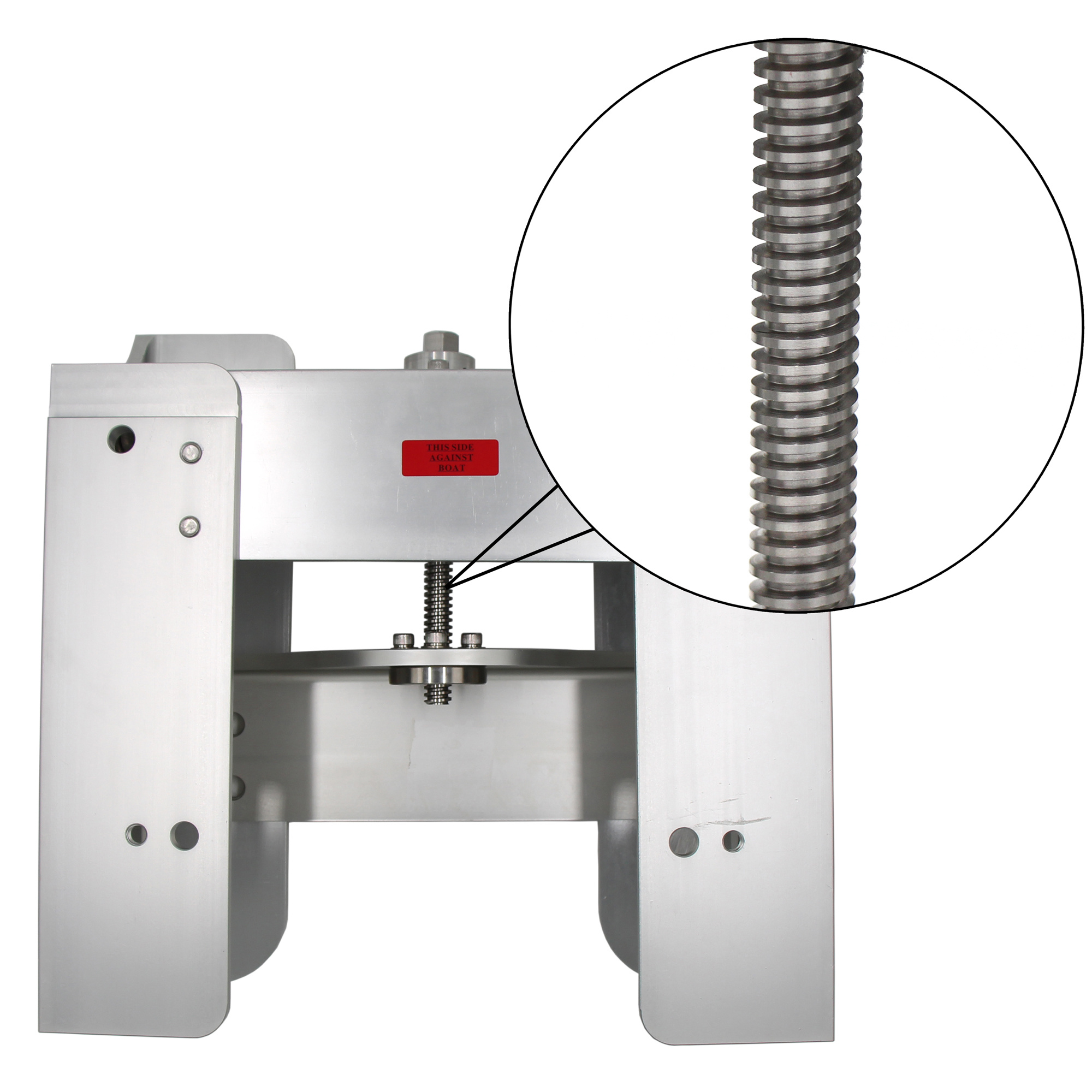
A hydraulic jack plate is a device mounted between the boat's transom and the outboard motor. Its primary function is to allow for the vertical adjustment of the outboard motor's height. By utilizing hydraulic mechanisms, these plates can lift or lower the motor, thus optimizing the boat's performance based on various conditions such as water depth, load, and speed.
2.1 Types of Hydraulic Jack Plates
There are generally two types of hydraulic jack plates: **manual hydraulic jack plates** and **electric hydraulic jack plates**.
- **Manual hydraulic jack plates** require physical adjustment, typically with a hand pump, which can be less convenient but is often more affordable.
- **Electric hydraulic jack plates**, on the other hand, allow for easy adjustments at the push of a button, providing more convenience for the operator.
3. Mechanics of Hydraulic Jack Plates
Understanding the mechanics behind hydraulic jack plates is essential for boat owners looking to optimize their setup. The hydraulic system operates through fluid dynamics, where hydraulic fluid is pumped into or out of the jack plate's cylinders to adjust the height of the motor.
3.1 Hydraulic System Components
The main components of a hydraulic jack plate include:
- **Hydraulic Cylinders**: These are responsible for the lifting motion. They house the hydraulic fluid that provides the force to lift the motor.
- **Pump**: The pump circulates hydraulic fluid to the cylinders, enabling the lift and adjustment.
- **Control Mechanism**: This can be manual or electronic, allowing the operator to control the height of the outboard motor.
3.2 How Hydraulic Adjustment Works
When the operator activates the hydraulic system, fluid is forced into the cylinder, pushing the piston upward. This action raises the motor. Conversely, when fluid is released, gravity pulls the motor back down to its original position. This rapid adjustment capability is what makes hydraulic jack plates invaluable for optimizing a boat's performance in variable conditions.
4. The Benefits of Using Hydraulic Jack Plates
The advantages of installing a hydraulic jack plate on your boat are numerous, significantly enhancing both performance and safety.
4.1 Improved Performance and Speed
By allowing the motor to be adjusted for optimal height, hydraulic jack plates can improve the boat's performance. A higher motor position reduces drag and increases speed, making a noticeable difference, especially in shallow waters.
4.2 Enhanced Fuel Efficiency
With improved performance comes better fuel efficiency. When the motor is at the proper height, it operates more efficiently, leading to lower fuel consumption and cost savings.
4.3 Versatility in Different Water Conditions
Whether navigating through shallow waters, rough seas, or calm lakes, hydraulic jack plates offer versatility. The ability to raise the motor allows boaters to traverse varying water conditions without damaging the hull or propeller.
4.4 Increased Safety and Control
Having the ability to adjust your motor height on-the-fly increases safety by providing better control of the boat in different conditions. Proper motor height can prevent cavitation and ensure that the propeller remains submerged, improving handling.
5. Installation and Adjustments of Hydraulic Jack Plates
Installing a hydraulic jack plate can be straightforward, but it requires careful attention to detail for optimal performance.
5.1 Step-by-Step Installation Process
1. **Select the Right Jack Plate**: Ensure that the hydraulic jack plate is compatible with your boat and motor type.
2. **Gather Tools**: Necessary tools typically include wrenches, a drill, and a level.
3. **Remove the Outboard Motor**: Carefully detach the motor from the transom, ensuring not to damage any wiring or connections.
4. **Mount the Hydraulic Jack Plate**: Align the jack plate with the transom and secure it using bolts and washers.
5. **Reattach the Outboard Motor**: With the jack plate installed, reattach the outboard motor, ensuring it is properly secured.
6. **Connect the Hydraulic Lines**: Follow the manufacturer’s guidelines to connect hydraulic lines, ensuring there are no leaks.
7. **Test the System**: Before heading out, test the hydraulic adjustment to ensure everything is functioning correctly.
5.2 Adjusting the Height
Once installed, adjusting the height of the hydraulic jack plate is as simple as operating the control mechanism. Regular adjustments based on water conditions will optimize performance.
6. Maintenance and Care for Hydraulic Jack Plates
Proper maintenance is crucial for prolonging the life of hydraulic jack plates and ensuring they function effectively.
6.1 Regular Inspection
Inspect the hydraulic lines for leaks and ensure all connections are secure. Regularly check for any signs of wear and tear on components.
6.2 Fluid Replacement
Hydraulic fluid should be replaced according to the manufacturer's recommendations. Contaminated fluid can lead to system failure, so it's essential to maintain clean hydraulic fluid levels.
6.3 Cleaning the Jack Plate
Keep the jack plate clean from salt, debris, and corrosion. Regular cleaning will extend its lifespan and maintain optimal performance.
7. Troubleshooting Common Hydraulic Jack Plate Issues
Despite their robust design, hydraulic jack plates can experience issues. Here are some common problems and troubleshooting tips.
7.1 Hydraulic Leaks
If you notice a loss of hydraulic fluid, check the lines and connections for leaks. Securing loose fittings can often resolve this issue.
7.2 Slow or Inconsistent Movement
This may indicate air in the hydraulic system. Bleed the system to remove any trapped air and restore smooth operation.
7.3 Motor Height Stuck or Unresponsive
If the motor height is stuck, check the control mechanism for any blockages or failures. Refer to the user manual for specific troubleshooting steps.
8. Conclusion: Elevate Your Boating Experience
Understanding the mechanics of hydraulic jack plates for boats is essential for anyone looking to enhance their boating experience. From improved speed and fuel efficiency to increased safety and control, the benefits of hydraulic jack plates are clear. Proper installation, maintenance, and adjustments will ensure that you get the most out of your hydraulic jack plate, transforming the way you navigate the waters.
9. FAQs About Hydraulic Jack Plates
What is the average cost of a hydraulic jack plate?
The cost of hydraulic jack plates varies widely, typically ranging from $300 to $1,200 depending on brand, size, and features.
Can I install a hydraulic jack plate myself?
Yes, with the right tools and instructions, many boat owners can install a hydraulic jack plate themselves. However, professional installation is recommended for those unfamiliar with boating mechanics.
How often should I maintain my hydraulic jack plate?
Regular inspections should be conducted at least once every few months, with hydraulic fluid replaced annually or according to the manufacturer’s guidelines.
Are hydraulic jack plates suitable for all types of boats?
Most boats can benefit from hydraulic jack plates, but it's essential to choose one that is compatible with your specific boat type and motor.
What maintenance is required for hydraulic jack plates?
Regular inspections, fluid replacement, and cleaning are crucial for maintaining hydraulic jack plates. Checking for leaks and ensuring all components are in good condition is equally important.
By focusing on these detailed aspects of hydraulic jack plates, we aim to provide you with an informative and engaging resource that elevates your understanding and practical knowledge, ultimately enhancing your boating experience.
hydraulic jack plate transom mount
RELEVANT INFORMATION


Understanding Transom Hydraulic Jack Plates: Enhancing Your Vessel's Performance
Transom hydraulic jack plates are essential components in the marine industry, particularly for enhancing the performance and maneuverability of boats. These devices are mounted on the transom, which is the rear part of the boat, and serve multiple functional purposes that can significantly improve your boating experience.
One of the primary benefits of a transom hydraulic jack plate is its abilit
2026-01-10
The Benefits of Outboard Motor Hydraulic Jack Plates for Enhanced Boating Experience
When it comes to enhancing the performance of your boat, the outboard motor hydraulic jack plate is an invaluable component that every boating enthusiast should consider. This device plays a crucial role in optimizing the positioning of outboard motors, which can lead to improved handling, fuel efficiency, and overall performance on the water.
An outboard motor hydraulic jack plate allows for the
2025-12-29

XIAMEN OLLWINNER INDUSTRY AND TRADE CO.,LTD
Our group is delicated to be a professional marine equipment supplier,consisting of R&D, purchase dept. ,QA&QC, production group, testing lab etc.
Contact Us
Room 3119, Building A, Mingnan Guzheng, Huli District, Xiamen, Fujian, China