

Navigating the Waters: Unleashing the Advantages of Mechanical Steering for Your Vessel
2025-03-30
Navigating the Waters: Unleashing the Advantages of Mechanical Steering for Your Vessel
Table of Contents
1. Introduction to Mechanical Steering Systems
2. Understanding Mechanical Steering
3. Advantages of Mechanical Steering
3.1 Enhanced Control and Responsiveness
3.2 Reduced Maintenance Requirements
3.3 Cost-Effectiveness Over Time
Navigating the Waters: Unleashing the Advantages of Mechanical Steering for Your Vessel
Table of Contents
- 1. Introduction to Mechanical Steering Systems
- 2. Understanding Mechanical Steering
- 3. Advantages of Mechanical Steering
- 3.1 Enhanced Control and Responsiveness
- 3.2 Reduced Maintenance Requirements
- 3.3 Cost-Effectiveness Over Time
- 4. Mechanical Steering vs. Hydraulic Steering
- 5. Installation and Compatibility Considerations
- 6. Best Practices for Mechanical Steering System Maintenance
- 7. Common Issues and Solutions in Mechanical Steering
- 8. Conclusion
- 9. Frequently Asked Questions
1. Introduction to Mechanical Steering Systems
In the world of marine navigation, having reliable steering is crucial for both safety and performance. **Mechanical steering systems** have emerged as a favored choice among many vessel owners due to their simplicity, reliability, and efficiency. This article explores the numerous benefits of mechanical steering, detailing how it transforms the steering experience on the water.
2. Understanding Mechanical Steering
Mechanical steering systems utilize a series of cables, pulleys, and linkages to translate the motion of the steering wheel into directional movement of the vessel. Unlike hydraulic systems, which rely on fluid pressure, mechanical steering offers a direct connection between the helm and the rudder. This direct link provides a tactile steering feel, allowing for precise navigation even in challenging conditions.
3. Advantages of Mechanical Steering
When it comes to selecting a steering system for your vessel, the advantages of mechanical steering are compelling and worth exploring in detail.
3.1 Enhanced Control and Responsiveness
One of the standout features of mechanical steering is the **enhanced control** it provides. With a mechanical system, the direct connection between the steering wheel and the rudder translates into immediate feedback. This responsiveness allows captains to make quick adjustments, ensuring that the vessel remains on course even in rough waters. Moreover, the tactile sensation of steering enhances the overall experience, making it easier to gauge the vessel's movement and react accordingly.
3.2 Reduced Maintenance Requirements
Mechanical steering systems require significantly less maintenance compared to hydraulic alternatives. With fewer components that can fail, the likelihood of breakdown is minimized. Regular checks involve inspecting cables and pulleys for wear and ensuring that all connections are secure. This simplicity translates to lower long-term costs and less time spent on maintenance, allowing owners to focus on enjoying their time on the water.
3.3 Cost-Effectiveness Over Time
Investing in a **mechanical steering system** can be a cost-effective decision in the long run. While initial installation costs may vary based on the vessel type and size, the reduced maintenance needs and increased reliability contribute to overall savings. Additionally, many boat owners appreciate that mechanical systems are generally easier to repair, which can lead to lower repair costs if issues arise.
4. Mechanical Steering vs. Hydraulic Steering
When considering steering systems for your vessel, it is essential to compare mechanical steering with hydraulic steering. Each system has its pros and cons, and understanding these differences can help you make an informed decision.
Mechanical Steering
- **Pros**: Simplicity, low maintenance, direct feedback, cost-effectiveness.
- **Cons**: May require more physical effort to steer larger vessels.
Hydraulic Steering
- **Pros**: Easier steering for larger boats, smooth operation, minimal physical effort required.
- **Cons**: Higher maintenance costs, potential for fluid leaks, more complex repairs.
Ultimately, the choice between mechanical and hydraulic steering will depend on your specific vessel, usage, and personal preference.
5. Installation and Compatibility Considerations
Installing a mechanical steering system requires careful consideration of the vessel's design and existing infrastructure. Compatibility with the steering gear, the helm, and the rudder is critical to ensure optimal performance.
Here are key factors to keep in mind:
- **Space and Configuration**: Ensure there is adequate space for the installation of cables and pulleys. The configuration should allow for smooth operation without binding or excessive friction.
- **Type of Vessel**: Different vessels may require different steering solutions. Small boats may benefit significantly from mechanical systems, while larger yachts might require a more robust solution.
- **Regulatory Compliance**: Always check local regulations and safety standards to ensure that any modifications comply with maritime laws.
6. Best Practices for Mechanical Steering System Maintenance
Implementing a routine maintenance schedule can prolong the life of your mechanical steering system and ensure optimal performance. Consider the following best practices:
1. **Regular Inspections**: Periodically check the cables for fraying, rust, or wear. Inspect all connections and fittings for signs of looseness.
2. **Lubrication**: Apply appropriate lubricants to moving parts to minimize friction and wear.
3. **Tension Checks**: Ensure that cables are properly tensioned to prevent slippage or binding.
4. **Cleanliness**: Keep the steering area clean and free of debris, which can interfere with the steering mechanism.
By adhering to these practices, vessel owners can enjoy smooth steering performance and extend the lifespan of their mechanical systems.
7. Common Issues and Solutions in Mechanical Steering
While mechanical steering systems are generally reliable, they are not immune to issues. Understanding common problems and their solutions can help you address issues quickly and effectively.
Common Problems
- **Stiff Steering**: A common issue that can arise from lack of lubrication or cable binding.
- **Loose Connections**: Over time, fittings can become loose, impacting the responsiveness of the steering.
- **Cable Fraying**: Insufficient inspections can lead to cables fraying, posing safety risks.
Solutions
- **Stiff Steering**: Lubricate moving parts and adjust cable tension as necessary.
- **Loose Connections**: Regularly tighten all connections and fittings to maintain responsiveness.
- **Cable Fraying**: Replace any frayed or damaged cables immediately to prevent failure.
By being proactive in your maintenance and understanding common issues, you can ensure that your mechanical steering system remains in excellent working condition.
8. Conclusion
In conclusion, mechanical steering systems offer a wealth of benefits for vessel owners seeking reliability, efficiency, and ease of use. With enhanced control, reduced maintenance needs, and cost-effectiveness, mechanical steering stands out as an optimal choice for many types of vessels. By understanding its advantages and implementing best practices for maintenance, boat owners can ensure smooth sailing for years to come. Embrace the simplicity and effectiveness of mechanical steering, and navigate the waters with confidence.
9. Frequently Asked Questions
1. What are the primary components of a mechanical steering system?
The primary components include the steering wheel, cables, pulleys, linkages, and the rudder itself. These elements work together to provide direct control of the vessel's direction.
2. Can I convert my hydraulic steering system to a mechanical one?
Yes, it is possible to convert from hydraulic to mechanical steering, but it may require significant modifications. Consulting with a marine professional is recommended.
3. How often should I maintain my mechanical steering system?
Regular inspections should be conducted at least once a season, with lubrication and adjustments made as needed. More frequent checks may be necessary for vessels used in harsh conditions.
4. Are mechanical steering systems suitable for larger vessels?
While mechanical systems can be used on larger vessels, it may require more physical effort to steer. Assessing the vessel's weight and size is crucial in making the right choice.
5. What should I do if my steering feels loose?
If your steering feels loose, inspect all connections and fittings for tightness. Additionally, check the cables for any signs of wear or fraying. Replacing worn components promptly will help maintain safe steering.
Marine Stern Drive Mechanical Steering Kit
RELEVANT INFORMATION


Understanding Transom Hydraulic Jack Plates: Enhancing Your Vessel's Performance
Transom hydraulic jack plates are essential components in the marine industry, particularly for enhancing the performance and maneuverability of boats. These devices are mounted on the transom, which is the rear part of the boat, and serve multiple functional purposes that can significantly improve your boating experience.
One of the primary benefits of a transom hydraulic jack plate is its abilit
2026-01-10
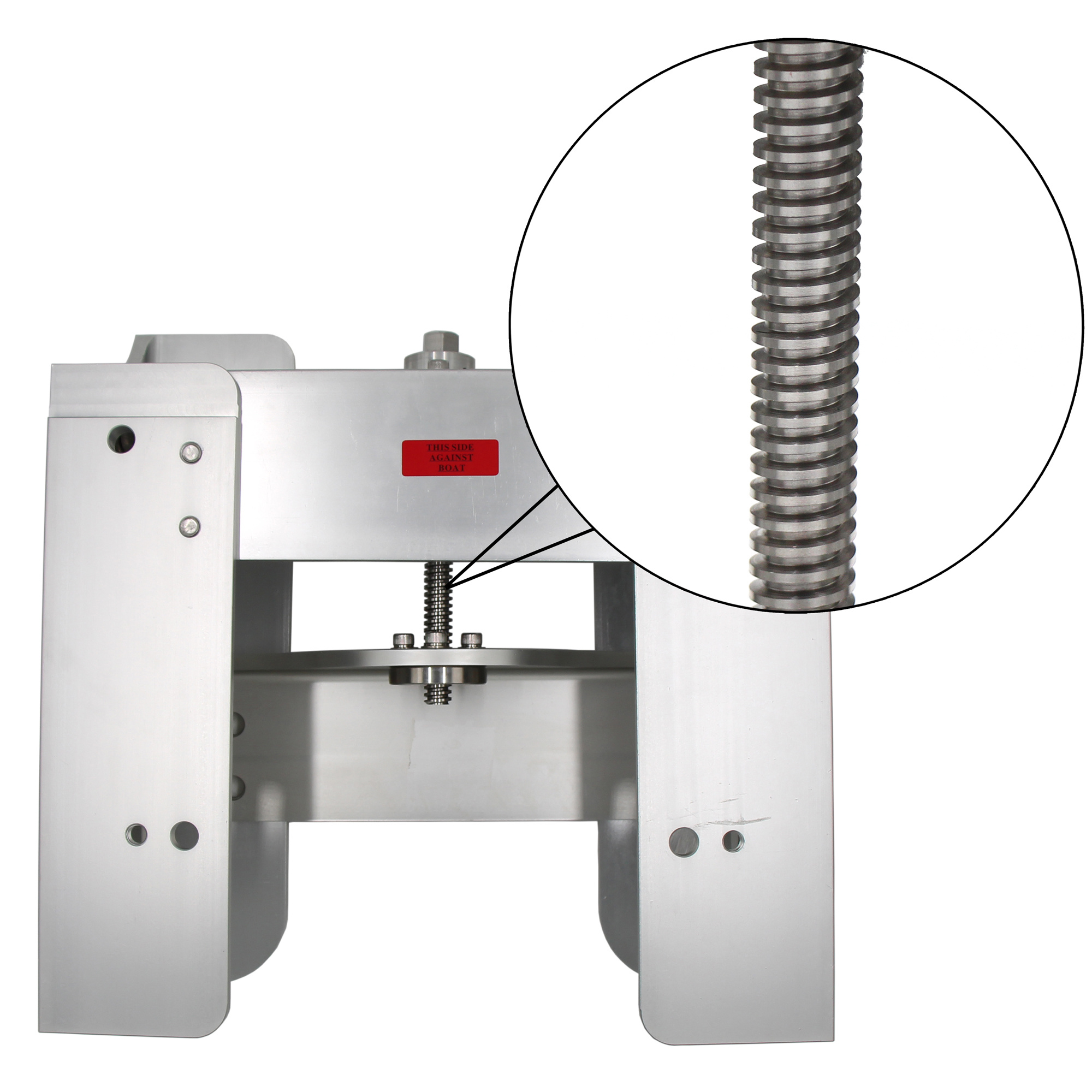
The Benefits of Outboard Motor Hydraulic Jack Plates for Enhanced Boating Experience
When it comes to enhancing the performance of your boat, the outboard motor hydraulic jack plate is an invaluable component that every boating enthusiast should consider. This device plays a crucial role in optimizing the positioning of outboard motors, which can lead to improved handling, fuel efficiency, and overall performance on the water.
An outboard motor hydraulic jack plate allows for the
2025-12-29

XIAMEN OLLWINNER INDUSTRY AND TRADE CO.,LTD
Our group is delicated to be a professional marine equipment supplier,consisting of R&D, purchase dept. ,QA&QC, production group, testing lab etc.
Contact Us
Room 3119, Building A, Mingnan Guzheng, Huli District, Xiamen, Fujian, China