

Choosing the Right Outboard Anodized Hydraulic Jack Plate for Your Vessel
2025-03-12
Choosing the Right Outboard Anodized Hydraulic Jack Plate for Your Vessel
When it comes to enhancing your vessel's performance, few upgrades offer as much value as an outboard anodized hydraulic jack plate. This essential component allows for better control over your boat's engine height, thereby improving speed, fuel efficiency, and overall handling. In this comprehensive guide, we’ll explore the intricacies of selecting the right hydraulic jack plate tailored for your specific needs. From understanding the various types of jack plates available to installation tips and maintenance, this article serves as your ultimate resource.
Table of Contents
- Understanding Hydraulic Jack Plates
- Benefits of Using Anodized Hydraulic Jack Plates
- Types of Hydraulic Jack Plates
- Key Features to Consider When Choosing a Jack Plate
- Installation Guide for Hydraulic Jack Plates
- Maintenance Tips for Your Hydraulic Jack Plate
- Frequently Asked Questions
- Conclusion
Understanding Hydraulic Jack Plates
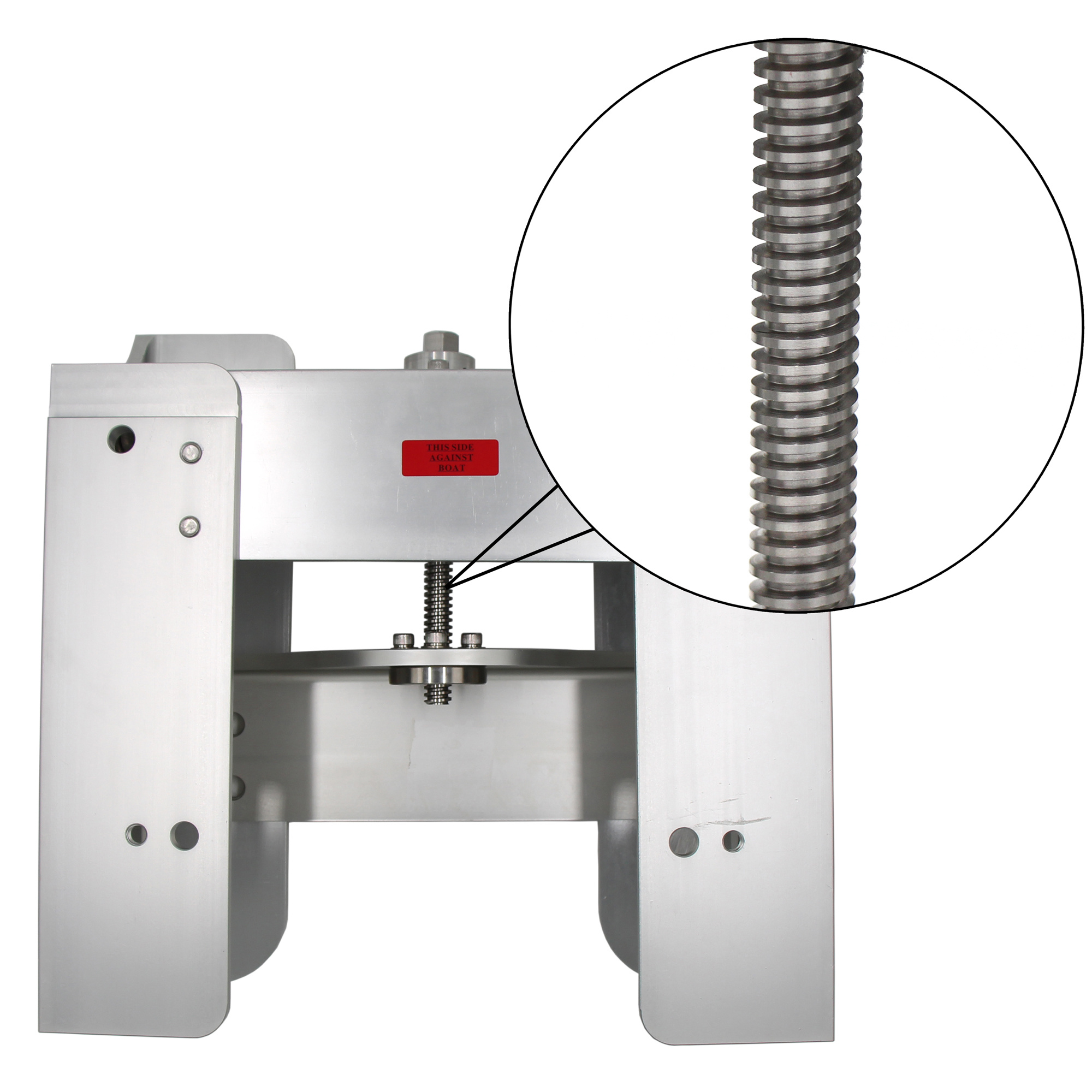
The hydraulic jack plate is a mechanism that elevates the outboard motor above the transom of a boat. This elevation allows for adjustments in the motor's height, facilitating better performance in various water conditions. By optimizing the cavitation plate's position relative to the waterline, boaters can achieve higher speeds and better fuel efficiency. The hydraulic nature of these jack plates allows for on-the-fly adjustments, making them highly desirable for both casual boaters and serious enthusiasts.
How Do Hydraulic Jack Plates Work?
Hydraulic jack plates operate using a system of hydraulic cylinders and pumps to raise and lower the engine. When engaged, the hydraulic mechanism pushes or pulls the motor along vertical tracks, allowing for height adjustments in seconds. This system is typically controlled via a toggle switch installed in the helm, providing ease of use while navigating. It's important to note that not all boats require a hydraulic jack plate; however, those that frequently traverse varied water conditions can greatly benefit from the ability to adjust motor height.
Benefits of Using Anodized Hydraulic Jack Plates
Choosing an anodized hydraulic jack plate offers several advantages that can significantly enhance your boating experience:
1. Improved Performance
One of the most significant benefits of using a hydraulic jack plate is improved performance. By adjusting the height of your outboard motor, you can reduce drag and increase speed. This adjustment leads to more efficient fuel consumption, allowing you to enjoy longer outings without frequent refueling.
2. Enhanced Stability
Proper engine height contributes to better stability while cruising. When your engine is correctly positioned, your vessel can navigate waves and rough waters more smoothly, providing a safer and more enjoyable ride.
3. Increased Versatility
Anodized hydraulic jack plates provide adaptability for various boating conditions. Whether you are fishing in shallow waters or cruising in deeper regions, the ability to adjust your motor’s height will allow you to tackle different environments with ease.
4. Longer Lifespan for Your Engine
Maintaining an optimal engine height can also prolong the lifespan of your outboard motor. By reducing strain and wear during operation, you can help ensure your engine remains in peak condition for years to come.
Types of Hydraulic Jack Plates
While there are numerous options on the market, hydraulic jack plates generally fall into three categories:
1. Fixed Jack Plates
Fixed jack plates offer a predetermined height and don’t allow for adjustments after installation. They are suitable for boats that operate in consistent water conditions, providing a stable and reliable option for fueling efficiency.
2. Manual Jack Plates
Manual jack plates require physical adjustment and can be modified while the boat is stationary. Though they don’t offer the convenience of hydraulic systems, they are often more affordable and simpler to install.
3. Hydraulic Jack Plates
Hydraulic jack plates are the most advanced option, allowing for real-time adjustments while underway. They facilitate precision tuning of your outboard motor’s height, making them the preferred choice for serious boaters who want maximum performance.
Key Features to Consider When Choosing a Jack Plate
When selecting a hydraulic jack plate, several features warrant your attention:
1. Weight Capacity
Ensure the jack plate can handle the weight of your motor. Look for manufacturers that provide weight specifications to guarantee compatibility with your outboard.
2. Material and Durability
Opt for anodized aluminum or stainless steel for enhanced longevity and resistance to corrosion. These materials can withstand the harsh marine environment and will maintain their appearance over time.
3. Adjustment Range
Consider the range of height adjustments available. A broader range will provide greater versatility for navigating different water conditions.
4. Compatibility
Make sure that the hydraulic jack plate you choose is compatible with your specific vessel. Verify that it fits your boat’s transom and is suitable for your outboard motor’s mounting style.
5. Ease of Installation
Some jack plates are easier to install than others. Look for models that come with clear installation instructions and all necessary hardware for a hassle-free setup.
Installation Guide for Hydraulic Jack Plates
Installing a hydraulic jack plate may seem daunting, but with the right tools and guidance, it can be a straightforward process. Here’s a step-by-step guide:
1. Gather Your Tools and Materials
You will need a socket wrench, screwdrivers, a level, and a drill. Be sure to have the hydraulic jack plate and any included hardware ready for installation.
2. Prepare Your Vessel
Ensure your boat is on a stable surface and securely positioned. Remove the existing outboard motor to access the transom.
3. Mark Mounting Locations
Using a level, mark the mounting locations for the hydraulic jack plate on the transom. Double-check your measurements to ensure a proper fit.
4. Drill Holes
Drill the necessary holes for the mounting bolts, ensuring they align with the markings made earlier. Be cautious not to drill too deep, as this can compromise the structural integrity of your vessel.
5. Attach the Jack Plate
Position the hydraulic jack plate against the transom and secure it using the provided bolts. Tighten them evenly to ensure stability.
6. Reattach the Outboard Motor
Once the jack plate is securely mounted, reattach your outboard motor according to the manufacturer's instructions. Ensure all connections are properly fitted.
7. Test the Installation
Before heading out on the water, test the hydraulic mechanism to ensure it operates smoothly. Make adjustments as necessary to optimize performance.
Maintenance Tips for Your Hydraulic Jack Plate
To maintain optimal performance from your hydraulic jack plate, regular maintenance is essential. Here are some tips to keep in mind:
1. Inspect Regularly
Routine inspections can help catch potential issues early. Look for signs of wear, leaks, or corrosion and address them as necessary.
2. Clean and Lubricate
Keep the hydraulic system free of debris and dirt. Clean the plate regularly and apply lubrication to moving parts to ensure smooth operation.
3. Monitor Hydraulic Fluid Levels
Check the hydraulic fluid levels periodically to ensure they are within the recommended range. Low fluid levels can hinder performance and lead to system failure.
4. Store Properly
When not in use, consider storing your vessel in a dry environment to prevent corrosion. Covering the outboard motor and hydraulic jack plate helps protect them from the elements.
Frequently Asked Questions
1. How do I know if I need a hydraulic jack plate?
If you frequently navigate shallow waters or look to improve your vessel’s performance and fuel efficiency, a hydraulic jack plate may be beneficial.
2. Can I install a hydraulic jack plate myself?
Yes, with basic tools and instructions, many boat owners can install a hydraulic jack plate themselves. However, if you’re uncertain, seeking professional help is advisable.
3. What maintenance is required for a hydraulic jack plate?
Regular inspections, cleaning, lubrication, and monitoring hydraulic fluid levels are critical steps in maintaining your jack plate.
4. Will a jack plate affect my boat’s stability?
When properly installed and adjusted, a hydraulic jack plate should enhance your boat’s stability by optimizing the engine height for the conditions you encounter.
5. Are hydraulic jack plates suitable for all types of vessels?
While hydraulic jack plates can benefit many boats, it’s essential to ensure compatibility with your specific make and model before purchasing.
Conclusion
Selecting the right outboard anodized hydraulic jack plate for your vessel can significantly enhance your boating experience. By understanding the various types available, their benefits, and considering key features, you can make an informed choice that meets your specific needs. Regular maintenance and proper installation will ensure your hydraulic jack plate serves you well, providing versatility and improved performance on the water. Whether you're a seasoned mariner or a weekend enthusiast, investing in a quality hydraulic jack plate can lead to a more enjoyable and efficient boating experience.
outboard anodized hydraulic jack plate
RELEVANT INFORMATION


Understanding Transom Hydraulic Jack Plates: Enhancing Your Vessel's Performance
2026-01-10
The Benefits of Outboard Motor Hydraulic Jack Plates for Enhanced Boating Experience
2025-12-29

XIAMEN OLLWINNER INDUSTRY AND TRADE CO.,LTD
Our group is delicated to be a professional marine equipment supplier,consisting of R&D, purchase dept. ,QA&QC, production group, testing lab etc.
Contact Us
Room 3119, Building A, Mingnan Guzheng, Huli District, Xiamen, Fujian, China