

Enhancing Boat Stability: The Role of Hydraulic Jack Plates
2025-02-16
Enhancing Boat Stability: The Role of Hydraulic Jack Plates
Table of Contents
1. Introduction to Hydraulic Jack Plates
2. Understanding Boat Stability
3. What Are Hydraulic Jack Plates?
4. Benefits of Using Hydraulic Jack Plates
5. Installation Tips for Hydraulic Jack Plates
6. Maintenance of Hydraulic Jack Plates
7. Troubleshooting Common Issues
8. Conclusion
Enhancing Boat Stability: The Role of Hydraulic Jack Plates
Table of Contents
- 1. Introduction to Hydraulic Jack Plates
- 2. Understanding Boat Stability
- 3. What Are Hydraulic Jack Plates?
- 4. Benefits of Using Hydraulic Jack Plates
- 5. Installation Tips for Hydraulic Jack Plates
- 6. Maintenance of Hydraulic Jack Plates
- 7. Troubleshooting Common Issues
- 8. Conclusion
- 9. Frequently Asked Questions
1. Introduction to Hydraulic Jack Plates
In the world of boating, efficiency and performance are paramount. Every boater seeks to have a stable, smooth ride, whether they're cruising along the coast or navigating through choppy waters. One critical component that often gets overlooked is the hydraulic jack plate. This article explores how hydraulic jack plates enhance boat stability, improving overall performance and safety on the water.
2. Understanding Boat Stability
Boat stability is defined as the ability of a vessel to remain upright and balanced in water. Several factors influence a boat's stability, including its design, weight distribution, and the sea conditions. In essence, a stable boat minimizes the risk of capsizing and provides a comfortable ride. Understanding these factors is crucial for boaters looking to optimize their vessel's performance.
The Science of Stability
The science of boat stability can be complex; however, it primarily revolves around two key concepts: **metacentric height** and **center of gravity**. The metacenter is an imaginary point where the buoyancy force acts, and the height at which it is located significantly affects stability. A higher metacentric height generally means a more stable boat. Meanwhile, the center of gravity affects how weight is distributed. Proper weight distribution is critical to maintaining balance.
3. What Are Hydraulic Jack Plates?
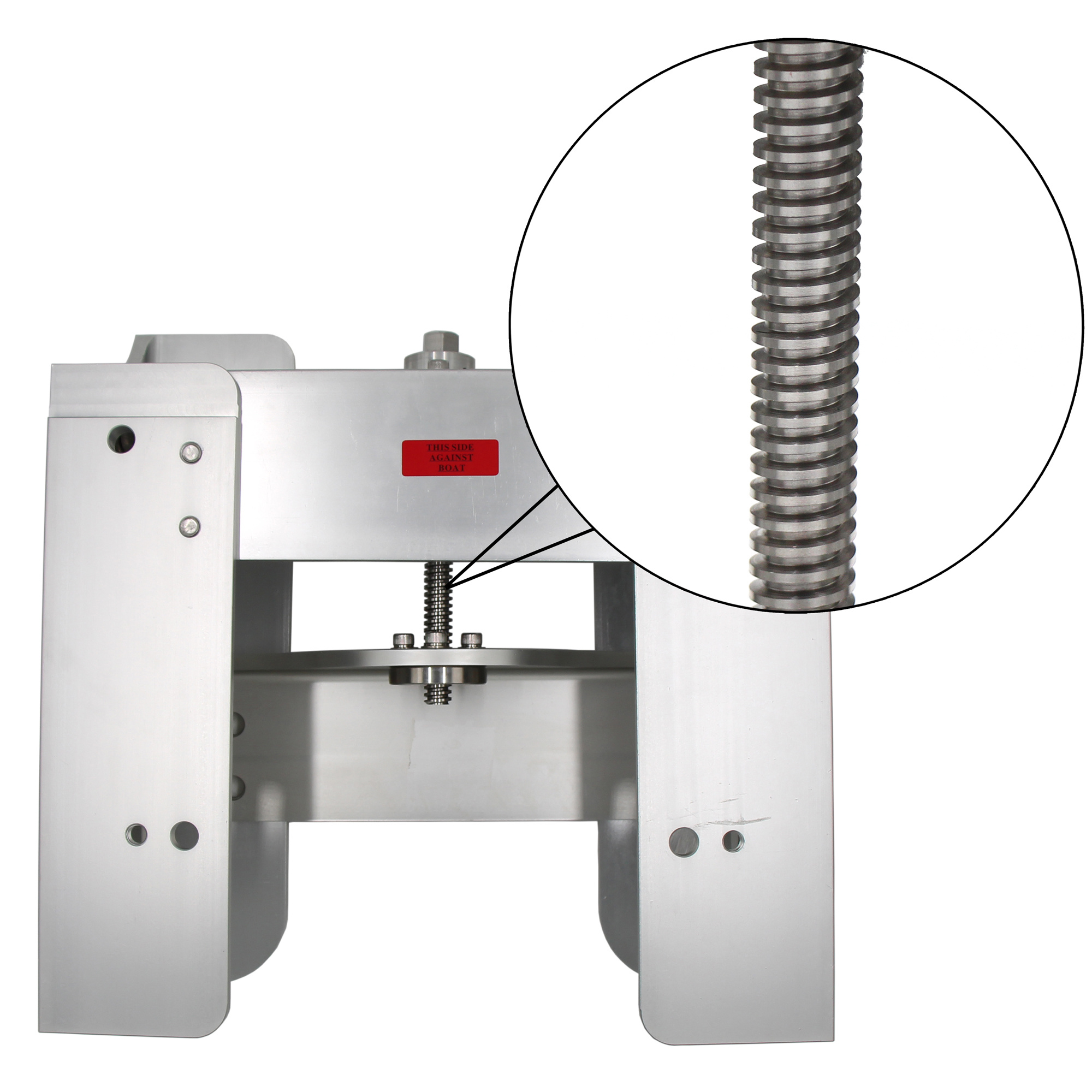
Hydraulic jack plates are devices mounted between a boat's transom and its outboard motor. These plates allow for vertical adjustments of the motor's height, which can significantly impact performance. When the outboard motor is positioned higher, it reduces drag and improves speed and fuel efficiency. More importantly, it enhances stability, particularly in rough conditions.
The Mechanics Behind Hydraulic Jack Plates
Hydraulic jack plates operate via hydraulic systems that enable the motor's height to be adjusted with the push of a button. This system typically includes a hydraulic pump, hoses, and a control switch, making it convenient for boaters to alter the motor's position while on the move.
4. Benefits of Using Hydraulic Jack Plates
Investing in hydraulic jack plates can offer numerous advantages for boaters. Below are some key benefits:
Enhanced Stability
By allowing the outboard motor to be adjusted based on water conditions, hydraulic jack plates enhance stability during operation. This feature is especially useful when navigating through rough seas, as it helps maintain a level ride.
Improved Fuel Efficiency
When the motor is raised, the hull of the boat skims more smoothly across the water's surface. This reduced drag translates to better fuel efficiency, allowing for longer trips without frequent refueling.
Increased Speed and Performance
Raising the motor can improve a boat's overall speed and acceleration. This performance boost is particularly noticeable during takeoff and can significantly enhance the boating experience.
Versatility for Different Water Conditions
Whether you're navigating through shallow waters or choppy ocean waves, hydraulic jack plates provide the versatility to adjust motor height according to the conditions. This adaptability is invaluable for avid boaters who frequently encounter varying water conditions.
Enhanced Control
The ability to adjust motor height on-the-fly gives boaters greater control over their vessel. This control can be critical for precise maneuvering, especially in tight spots or during challenging weather conditions.
5. Installation Tips for Hydraulic Jack Plates
Installing a hydraulic jack plate can be a rewarding DIY project, but it requires careful attention to detail. Here are some essential tips for successful installation:
Choose the Right Jack Plate
Before installation, it is crucial to select a hydraulic jack plate that suits your boat's specifications. Consider factors such as the boat's weight, engine size, and intended use.
Gather Necessary Tools
Prepare all necessary tools before beginning the installation. Common tools include wrenches, screwdrivers, and a level for ensuring proper alignment.
Follow Manufacturer Instructions
Always refer to the manufacturer's instructions when installing a hydraulic jack plate. Each model may have specific requirements, and following these guidelines will ensure optimal performance.
Check for Alignment
Proper alignment is critical for effective operation. Ensure that the hydraulic jack plate is mounted level and centrally to prevent any operational issues.
Test After Installation
Once installed, conduct a thorough test of the hydraulic jack plate. Adjust the motor height in various conditions to ensure everything is functioning correctly.
6. Maintenance of Hydraulic Jack Plates
To ensure longevity and optimal performance of hydraulic jack plates, regular maintenance is essential. Here are some key maintenance tips:
Inspect Hydraulic Lines
Regularly check for leaks or wear in the hydraulic lines. Any signs of damage should be addressed immediately to avoid operational failures.
Keep the Plate Clean
Debris and saltwater can significantly impact the performance of hydraulic jack plates. Regular cleaning can prevent corrosion and ensure smooth operation.
Lubricate Moving Parts
Ensure that all moving parts are adequately lubricated to prevent friction-related issues. Regular lubrication will enhance the lifespan of the components.
Test Hydraulic Functionality
Periodically test the hydraulic system to ensure it responds quickly and effectively. If any lag is noticed, it may indicate a problem that needs immediate attention.
7. Troubleshooting Common Issues
Despite their reliability, hydraulic jack plates may encounter issues. Here are some common problems and solutions:
Slow or No Movement
If the hydraulic plate is not moving or is slow to respond, check the hydraulic fluid levels. Low fluid levels may require a refill or system bleed.
Leaking Hydraulic Fluid
A visible leak may indicate damaged hoses or connections. Inspect for wear and replace any damaged components.
Noisy Operation
Unusual noises can indicate that the hydraulic system is not functioning correctly. Check for air bubbles in the fluid or insufficient lubrication in moving parts.
Uneven Adjustment
If the jack plate adjusts unevenly, it may be misaligned. Double-check the installation and re-align if necessary.
8. Conclusion
Hydraulic jack plates play a vital role in enhancing boat stability and performance. By providing the ability to adjust the outboard motor's height, boaters can experience improved stability, efficiency, and control on the water. Regular maintenance and proper installation will ensure that these components function effectively, allowing you to enjoy a safer and more pleasant boating experience. For anyone serious about boating, investing in a hydraulic jack plate is a decision that promises dividends in performance and safety.
9. Frequently Asked Questions
What is the primary purpose of hydraulic jack plates?
The primary purpose of hydraulic jack plates is to provide adjustable motor height, which enhances boat stability, performance, and fuel efficiency.
How do I know if I need a hydraulic jack plate?
If you frequently navigate varying water conditions or experience stability issues, a hydraulic jack plate can significantly improve your boating experience.
Can I install a hydraulic jack plate myself?
Yes, many boaters successfully install hydraulic jack plates themselves, but it's essential to follow manufacturer instructions carefully.
What maintenance do hydraulic jack plates require?
Regular maintenance includes inspecting hydraulic lines, cleaning the plate, lubricating moving parts, and testing hydraulic functionality.
How do I troubleshoot common hydraulic jack plate issues?
Common issues such as slow movement or leaks can often be resolved by checking fluid levels, inspecting for damage, and ensuring proper alignment.
hydraulic jack plate 6" setback
RELEVANT INFORMATION


Understanding Transom Hydraulic Jack Plates: Enhancing Your Vessel's Performance
Transom hydraulic jack plates are essential components in the marine industry, particularly for enhancing the performance and maneuverability of boats. These devices are mounted on the transom, which is the rear part of the boat, and serve multiple functional purposes that can significantly improve your boating experience.
One of the primary benefits of a transom hydraulic jack plate is its abilit
2026-01-10
The Benefits of Outboard Motor Hydraulic Jack Plates for Enhanced Boating Experience
When it comes to enhancing the performance of your boat, the outboard motor hydraulic jack plate is an invaluable component that every boating enthusiast should consider. This device plays a crucial role in optimizing the positioning of outboard motors, which can lead to improved handling, fuel efficiency, and overall performance on the water.
An outboard motor hydraulic jack plate allows for the
2025-12-29

XIAMEN OLLWINNER INDUSTRY AND TRADE CO.,LTD
Our group is delicated to be a professional marine equipment supplier,consisting of R&D, purchase dept. ,QA&QC, production group, testing lab etc.
Contact Us
Room 3119, Building A, Mingnan Guzheng, Huli District, Xiamen, Fujian, China