

Expert Tips for DIY Installation of Hydraulic Jack Plates on Outboard Motors
2025-02-10
Expert Tips for DIY Installation of Hydraulic Jack Plates on Outboard Motors
Hydraulic jack plates are essential for optimizing the performance of outboard motors, allowing for enhanced boat handling and increased fuel efficiency. This guide aims to equip you with the necessary knowledge and skills for a successful DIY installation of hydraulic jack plates. Whether you're a seasoned boater or a weekend enthusiast, this article provides valuable insights to improve your boating experience.
Understanding Hydraulic Jack Plates
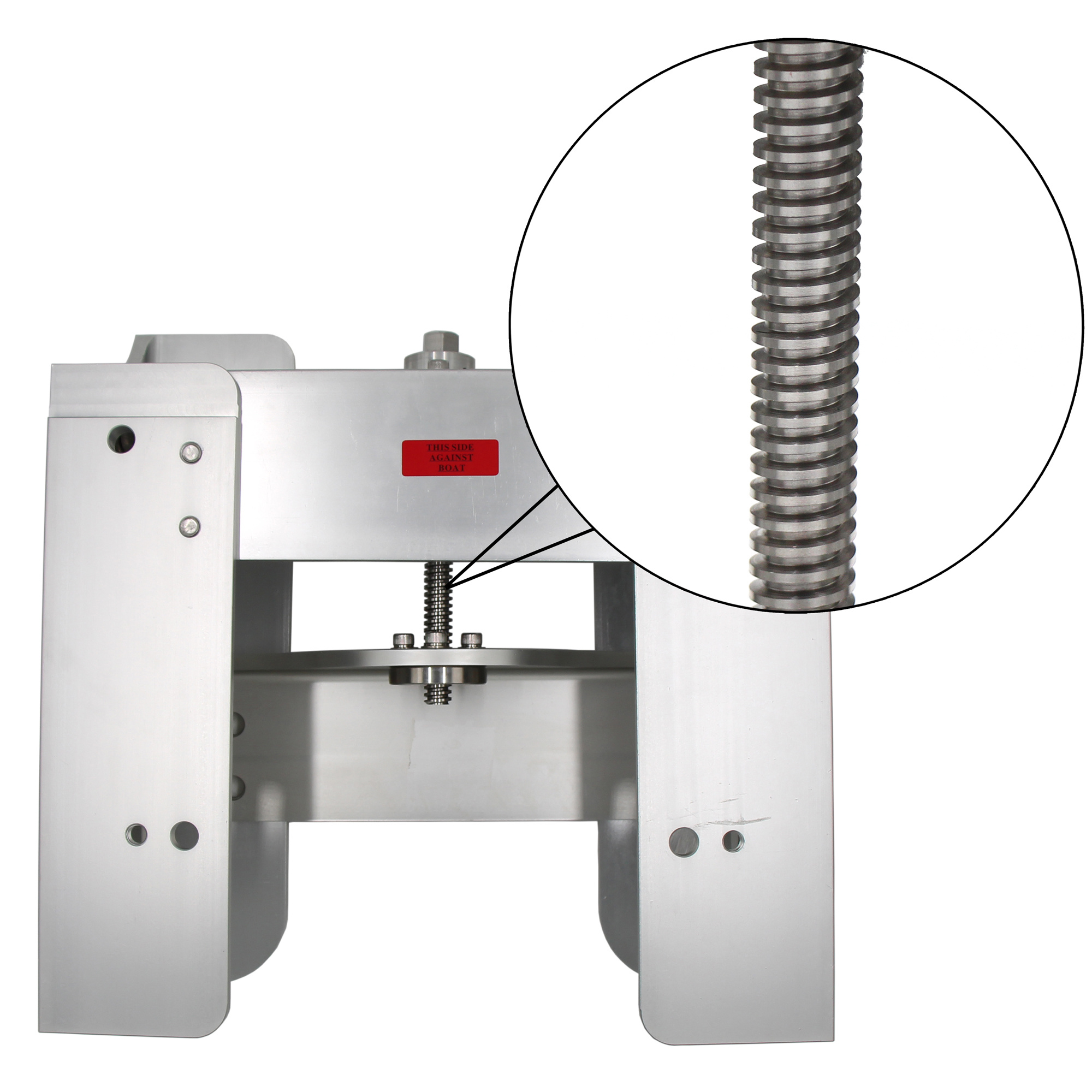
Before diving into the installation process, it’s crucial to understand what hydraulic jack plates are and how they function. A hydraulic jack plate is a device installed between the transom of a boat and the outboard motor. It enables vertical adjustment of the motor, providing several advantages:
- Improved Performance: Hydraulic jack plates allow you to raise or lower the motor, optimizing the boat’s performance at various speeds.
- Enhanced Fuel Efficiency: Adjusting the motor height can reduce drag, leading to better fuel economy.
- Better Handling: The ability to adjust motor height can improve handling in different water conditions.
Choosing the Right Hydraulic Jack Plate
Selecting the right hydraulic jack plate is vital for ensuring compatibility and performance. Consider the following factors:
1. Weight Capacity
Ensure that the jack plate can handle the weight of your outboard motor. Check the manufacturer's specifications for weight limits.
2. Motor Height Adjustment Range
Look for a jack plate that offers a sufficient range of height adjustment to meet your boating needs.
3. Build Quality
Choose a durable hydraulic jack plate made from high-quality materials, as it will be subjected to harsh marine conditions.
Tools and Materials Needed for Installation
Preparing the right tools and materials is essential for a smooth installation process. Here's a checklist:
- Tools:
- Socket wrench set
- Torque wrench
- Drill and drill bits
- Level
- Measuring tape
- Safety glasses
- Gloves
- Materials:
- Hydraulic jack plate
- Mounting bolts and hardware (usually included with the jack plate)
- Sealant or marine adhesive
Step-by-Step Installation Guide
Now that you have a thorough understanding of hydraulic jack plates and gathered the necessary tools, it's time to begin the installation process. Follow these detailed steps to ensure a successful DIY project:
Step 1: Safety First
Before starting, ensure that your work area is safe. Wear safety glasses and gloves to protect yourself from any debris.
Step 2: Prepare the Boat
Remove any existing outboard motor and clean the transom area thoroughly. This ensures a proper seal and fit for the hydraulic jack plate.
Step 3: Position the Hydraulic Jack Plate
Align the hydraulic jack plate with the bolt holes on the transom. Use a level to ensure that it is straight. Once positioned, mark the drilling points on the transom.
Step 4: Drill Holes
Using the drill and appropriate-sized bit, carefully drill the marked holes. Make sure to drill straight to avoid misalignment of the jack plate.
Step 5: Securing the Jack Plate
Apply sealant or marine adhesive to the back of the jack plate to prevent water intrusion. Position the jack plate over the drilled holes and insert the mounting bolts. Tighten the bolts using a socket wrench.
Step 6: Attach the Outboard Motor
Once the jack plate is securely mounted, it’s time to reattach your outboard motor. Align it with the jack plate and use the provided hardware to secure it. Ensure the motor is level.
Step 7: Test the Installation
Before heading to the water, perform a thorough check of the installation. Ensure all bolts are tight and the jack plate operates smoothly.
Maintenance Tips for Hydraulic Jack Plates
To ensure longevity and optimal performance of your hydraulic jack plate, follow these maintenance tips:
Regular Inspections
Frequently check for signs of wear, corrosion, or loose bolts. Address any issues promptly to avoid complications.
Keep It Clean
After each boating trip, rinse the jack plate with fresh water to remove salt and debris, preventing corrosion and extending its lifespan.
Hydraulic Fluid Checks
Regularly check the hydraulic fluid levels, as low fluid can lead to malfunction. Top it off as needed with the recommended fluid type.
Common Issues and Troubleshooting
Even the best installations can encounter problems. Here are some common issues and their solutions:
1. Motor Not Adjusting Smoothly
If the motor does not raise or lower smoothly, check for air bubbles in the hydraulic system or low fluid levels.
2. Corrosion
Corrosion can occur if the jack plate is not maintained. Regular cleaning and application of protective coatings can help prevent this.
3. Misalignment
If the motor appears misaligned, recheck the installation process to ensure that the jack plate was mounted correctly.
Conclusion
Installing a hydraulic jack plate on your outboard motor can significantly enhance your boating experience. With the right tools, materials, and a step-by-step approach, you can successfully complete this DIY project. Remember to perform regular maintenance and inspections to ensure your hydraulic jack plate remains in excellent condition. By following the tips and guidance provided in this article, you're well on your way to optimizing your outboard motor's performance, making every boating trip enjoyable and efficient.
FAQs
1. What is a hydraulic jack plate?
A hydraulic jack plate is a device that allows vertical adjustment of an outboard motor for improved performance and handling.
2. Can I install a hydraulic jack plate myself?
Yes, with the right tools and guidance, DIY installation is achievable for most boat owners.
3. How do I maintain a hydraulic jack plate?
Regularly inspect the jack plate, keep it clean, and check hydraulic fluid levels to ensure optimal performance.
4. What are the benefits of a hydraulic jack plate?
Benefits include improved performance, enhanced fuel efficiency, and better handling in various water conditions.
5. How do I troubleshoot hydraulic jack plate issues?
Check for air bubbles in the hydraulic system, ensure proper fluid levels, and inspect for signs of corrosion or misalignment.
hydraulic jack plate for outboard motors
RELEVANT INFORMATION


Understanding Transom Hydraulic Jack Plates: Enhancing Your Vessel's Performance
2026-01-10
The Benefits of Outboard Motor Hydraulic Jack Plates for Enhanced Boating Experience
2025-12-29

XIAMEN OLLWINNER INDUSTRY AND TRADE CO.,LTD
Our group is delicated to be a professional marine equipment supplier,consisting of R&D, purchase dept. ,QA&QC, production group, testing lab etc.
Contact Us
Room 3119, Building A, Mingnan Guzheng, Huli District, Xiamen, Fujian, China